

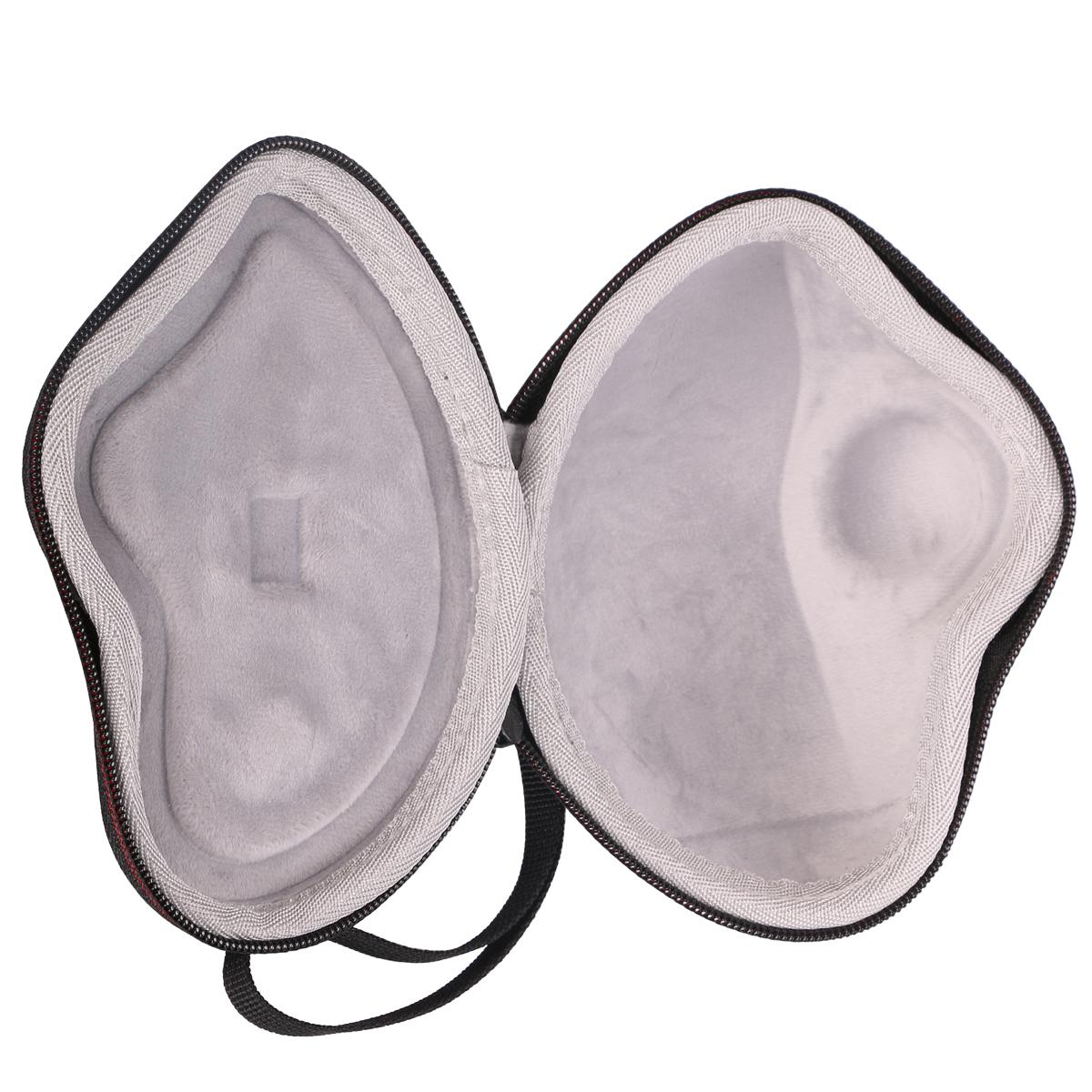
A doctor's bag and a nurse's tote look like they solve the same problem. They do not. The nurse carries many small, flat, frequently reached-for items all shift long, which pushes toward a light, pocket-heavy bag. The doctor carries a smaller set of things that are heavier, more fragile and more expensive, and the bag has to open wide, hold its shape and look the part in front of a patient.
That difference decides everything downstream: what goes in, how the inside is divided, how the top opens, even which fabric survives a year of being set on clinic floors and car seats. This page names those contents, then turns them into a compartment, opening and fabric spec you can hand to a supplier.
Name the Contents Before You Name the Bag
A doctor's visit bag, whether it is for house calls, ward rounds or a private practice, tends to carry three groups of items, and each group asks for a different kind of storage.
The diagnostic tools come first: a stethoscope, a blood pressure cuff, a thermometer, maybe an otoscope or a reflex hammer. These are rigid, oddly shaped and awkward to stack, and they are the first thing a hand reaches for.
The documentation comes second: prescription pads, patient notes, referral letters, the tablet or laptop that holds the records. These need flat, protected pockets that keep paper from crumpling and a screen from being pressed against a tool.
The small consumables come third: pens, spare batteries, disinfectant wipes, a charger, name badges, business cards. These are the items that vanish unless they have a shallow, fixed home of their own.
Naming the contents is not busywork. It is the difference between a bag that opens to reveal a tool set and a bag that opens to reveal a pile. Once you can write the list, the layout almost draws itself.
Three Groups, Three Styles of Compartment
Each of the three groups wants a different container, and mixing them in one open void is how a bag becomes a mess.
Diagnostic tools need deep, shaped slots or loops that hold a stethoscope without crushing its tubing, and a wedge pocket for a blood pressure cuff. These items are tall, so the compartment that holds them should be the full depth of the bag.
Documentation needs flat sleeves against a stiff back panel, sized for A4 or a tablet, so nothing folds and the screen is not pressed. The panel does the work of keeping papers crisp, and it also stiffens the whole bag.
Consumables need several shallow, labelled pockets, or a small removable insert, so they are found at a glance rather than raked through. When every pen and charger has a place, the daily repack turns into a glance and a closure.
The spec that falls out of this is a handful of lines: how many deep slots, how many flat sleeves, how many small pockets, and which ones are inside versus outside. That list is more useful to a supplier than a description of "a professional bag."
The Opening Is the Product
The top of a doctor's bag is the decision people skip, and it decides how the bag gets used.
A wide, framed or hinged opening that stays ajar lets a clinician see and reach everything at once, which is why the classic doctor's bag has a hinged top. It also lets a bag be set down open on a desk during a consultation without collapsing. A simple zip across the top is lighter and cheaper, but it must be opened all the way to see the back corners, and it does not hold itself open.
A clamshell or wide-rim opening suits a heavy, structured load. A soft top suits a lighter kit that travels more than it sits. The same contents can go into either, but the daily experience is completely different.
Carry it with a short handle when the bag is mostly diagnostic kit, because the load sits close and the handle keeps the opening upright. Add a longer strap only if the clinician walks distances, because a strap on a structured bag lets it swing and tilt. The choice belongs in the spec, not on a sales page.
Choose the Fabric for the Floor, Not the Photo
The fabric decision is about where the bag actually gets set down, which is why it matters more than how it looks.
A doctor's bag sits on clinic floors, car seats and desk edges, and it gets wiped down constantly. What works is a structured, coated or woven outer fabric that keeps its shape, wipes clean and does not go shiny or cracked after repeated cleaning. A firm base, or a base board, keeps it from slumping when it is set down open, and a light-coloured or wipeable lining makes it possible to see into the bottom of the bag.
Two choices this page deliberately does not make. This is not about leather; a traditional leather doctor's bag is a real category, but it is a different material decision and it is out of scope here, where the discussion is structured fabric. And no fabric claim here is a compliance claim. A bag that is easy to wipe down is not sterile, not antimicrobial and not "medical-grade," and it should not be sold as if it were.
Turn the List Into a Custom Spec
Most of the advice above is useful to one person packing one bag. This section is for the buyer who needs the bag to scale: a clinic ordering for a team, a distributor selling to practices, a brand building a private-label line.
The spec starts from the same three questions the individual doctor answers. What goes in it, which of those items are reached for most, and does the bag sit open or travel closed. From there it becomes a short RFQ instead of a product description: the number and depth of tool slots, the number and size of document sleeves, the internal versus external pockets, the opening style, the handle or strap, the fabric and the logo and colour for an institution order.
The first sample then has to prove the layout works with real items in it, because a slot drawn for "a stethoscope" does not tell you whether an actual stethoscope fits without kinking. Our guide to how a custom medical bag sample is checked is about first aid kits, but the same principle applies: approve the bag with the real contents loaded, not as an empty shell.
What a fabric or layout decision does not buy is also worth writing down. A structured bag protects tools from daily knocks and dust, but no bag in this range is a sealed, sterile or temperature-controlled transport, and no visual check produces that performance. If a channel or a customer needs it, that is a separate agreed item.
How Pengtour Approaches a Doctor's Bag
Pengtour makes custom sewn bags, and a medical bag for a doctor's visit kit is one of the formats it can evaluate. Medical bags is a listed product family in its sewn range, so the ask is a normal one rather than a special request.
For a doctor's bag project, what can be evaluated is the shape, the internal layout, the opening style, the handle or strap, the fabric and lining, and the logo or colour for an institutional order. What changes project to project is the exact tool list, whether the bag opens wide or zips shut, whether it sits open on a desk or travels between sites, and how many pockets the team needs. Dimensions, compartments, materials and opening are all confirmed per project rather than quoted from a fixed template.
What the bag is not is just as important. It is not a medical device, it is not sterile, and it does not carry a certification or a performance guarantee. It is a structured, wipeable carrying case specified around what a clinician actually loads into it. For the full range, see the custom sewn medical bags category, and to have a layout drawn from your own contents list, send the contents list for a bag review.
FAQ
What is the difference between a doctor's bag and a nurse's bag?
The contents, mostly. A nurse's bag holds many small, flat, frequently used items, so it is light with many pockets. A doctor's bag holds fewer but heavier diagnostic tools and documents, so it is more structured, has deeper shaped slots and a wider opening. The two look alike only from the outside.
Should a doctor's bag open with a hinge or a zip?
A hinged or wide-rim opening that stays open suits a heavy, structured load that the doctor sets down during a consultation. A zip is lighter and cheaper but has to be opened fully to reach the back. Match the opening to whether the bag sits open on a desk or travels closed.
Can a doctor's bag be customised for a whole clinic?
Yes. Clinic and private-label orders usually specify the internal layout, the opening, the fabric, the handle or strap, and the logo or colour for the team. The first sample should be approved with the real instruments loaded, so the compartments are checked against actual items rather than a drawing.
Does a structured doctor's bag keep instruments sterile?
No. A structured, wipeable bag protects tools from daily knocks and dust and is easier to clean, but it is not sterile, not sealed and not temperature-controlled. Sterility and any regulatory or performance claim are separate matters handled outside a simple carrying case.
Key Takeaways
- A doctor's bag is not a nurse's tote: fewer, heavier, more fragile items push toward structure, deep slots and a wide opening.
- Name the three contents groups, diagnostic tools, documents and consumables, and give each its own kind of compartment.
- The opening is the product: a wide or hinged top that stays open suits a desk-bound load, while a zip suits a lighter travelling kit.
- Pick fabric for the floor and the wiping, not the photo, and never claim sterile, antimicrobial or medical-grade.
- Turn the contents list into a short RFQ, then approve the first sample with the real instruments loaded, not as an empty shell.