

A fabric pilling test result can help a bag project ask better questions. It does not, by itself, approve a finished bag. Before sampling, the buyer needs to know which fabric was examined, how the specimen was made, what contact or use concern led to the request, and what the result actually describes.
This guide is for B2B teams developing custom sewn bags or protective cases. It treats pilling information as one project input. The goal is to make test records easier to compare, sample reviews easier to document, and unresolved decisions visible before production discussions move too far.
What question does a fabric pilling test answer?
Pilling is a surface appearance concern. Fibres can form small fuzzy balls or related surface changes after repeated contact. A test record may help a team discuss that concern under stated laboratory conditions.
ASTM D3512/D3512M-16 is one historical public example of a random-tumble pilling method for textile fabrics. Its public description is useful for showing why the method, specimen and evaluation context should travel with a result. It is not a universal requirement for every bag project, and it does not create a Pengtour test or certification claim.
The project question should therefore be specific: what surface change are we trying to understand, on which material, and in which part of the bag? A pilling result cannot establish waterproofing, seam strength, abrasion life, load capacity, or service life for the assembled product. Those questions need their own project requirements and evidence.
Start with the bag's real contact zones and use conditions
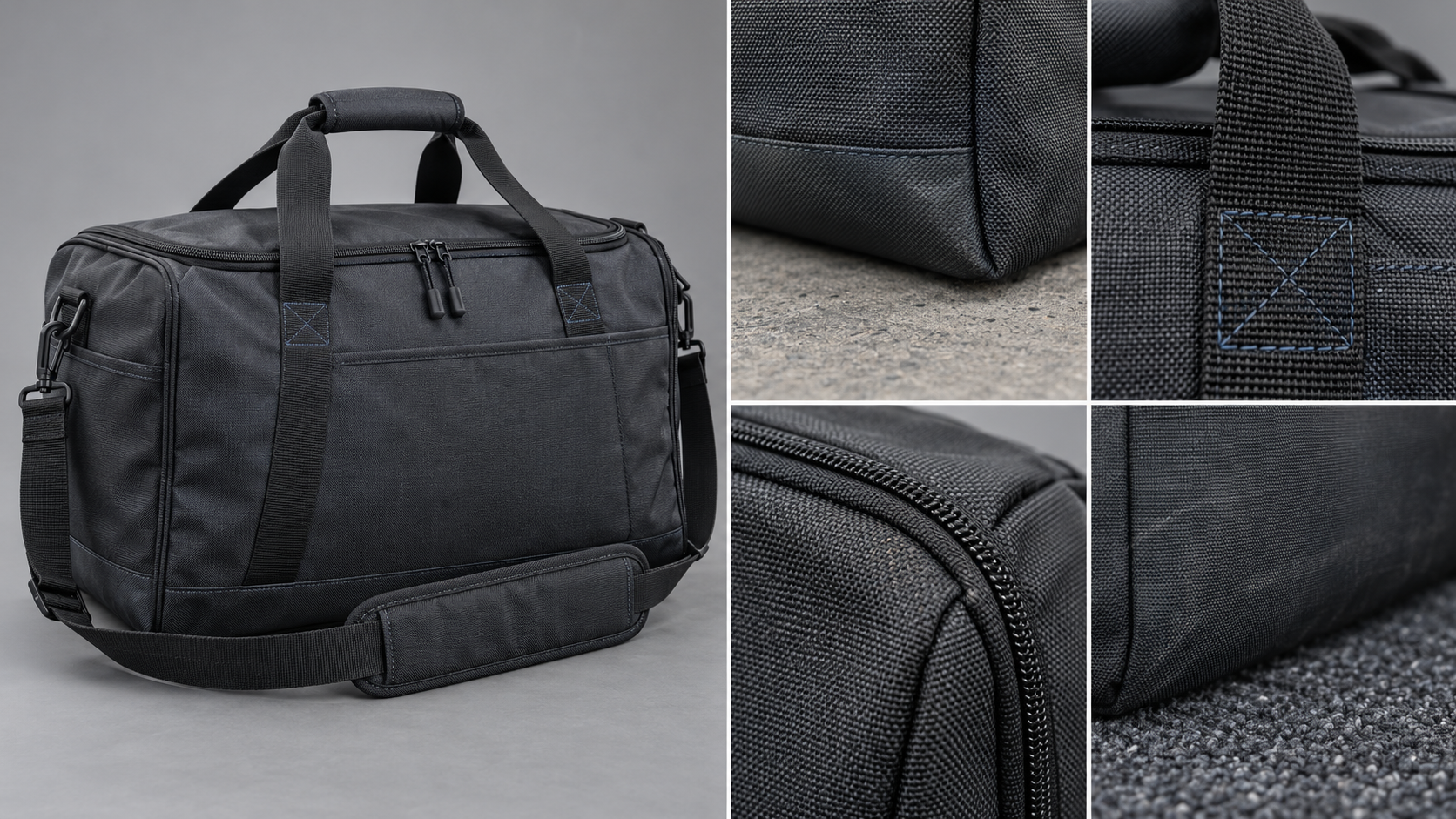
The same fabric may face different contact patterns in different products. A case placed in a vehicle, an organizer carried between meetings, and a soft equipment bag used on a worksite do not create the same surface question.
Describe the expected contact before asking for a number or rating. Record:
- the panels or components where repeated rubbing is expected;
- the object, accessory, shelf, floor, vehicle interior, or other surface involved;
- whether the contact is concentrated at a corner, seam, opening, divider, handle area, or broad panel;
- the contents and access sequence that may change how the bag is handled;
- any cleaning, storage, or handling condition that the project team already knows;
- the appearance concern that would make the sample need revision.
This description is not a pass or fail rule. It gives the supplier and buyer the same use context when they discuss a fabric record or a first sample.
Separate surface appearance from whole-bag performance
A pilling observation concerns a surface change. It does not automatically answer whether the bag is strong enough, protects its contents, resists water, or remains functional over a stated period. Those conclusions would require separate evidence tied to the actual construction and use.
Keeping the questions separate prevents a single rating from carrying more meaning than the record supports.
What context must accompany a pilling result?
Do not compare a score or description until the underlying record is clear. Ask for the information needed to identify what was tested and how it was evaluated.
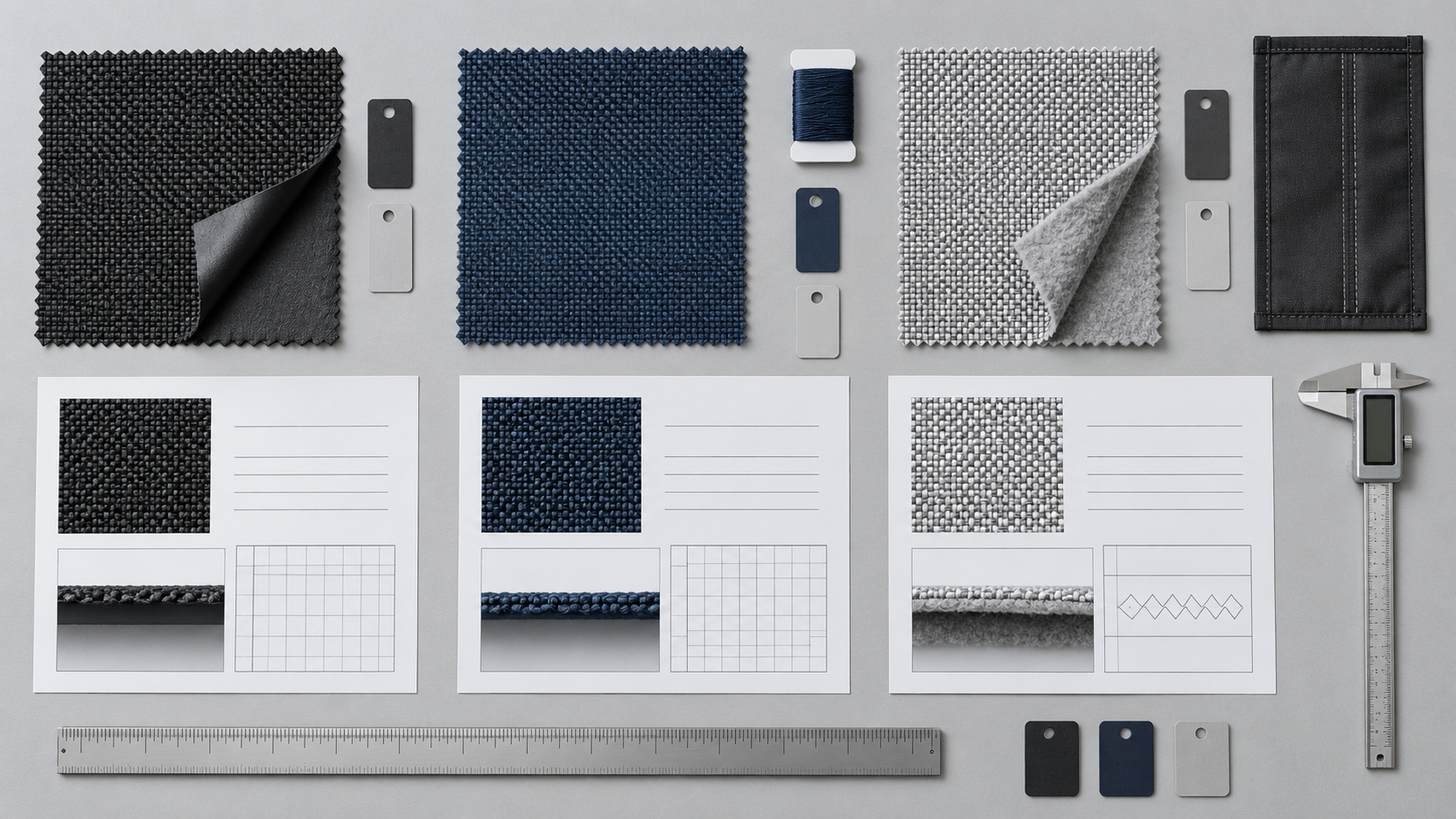
| Information to request | Why it matters |
|---|---|
| Fabric identity and construction | A material name alone may not identify the weave, backing, coating, finish, or assembly used for the sample. |
| Specimen or sample description | The record should make clear whether the observation concerns a fabric specimen, a component, or an assembled bag part. |
| Method or report reference | Different methods and report formats may describe different test conditions or endpoints. |
| Test conditions stated in the record | Conditions affect how a laboratory result should be read and compared. |
| Evaluation language or rating basis | Do not assume two reports use the same scale or observation method. |
| Date and version | A revised material or report should not be treated as the same input without checking. |
| Stated limitations | Limitations show what the record does not establish for the project. |
| Intended bag area or use | Relevance depends on the contact zone and handling pattern the team is trying to address. |
ASTM's public D3512/D3512M-16 page is a historical method example, not a complete testing manual. It supports the narrow practice of asking for method and context before comparison. It does not support a universal rating threshold, a material ranking, or a finished-bag prediction.
When can two pilling results be compared?
Two records are easier to compare when they describe the same type of material and construction, use the same or clearly related method, state comparable conditions, and explain their evaluation basis. If one of those points is missing, mark the comparison as Needs verification instead of treating the larger number or more favorable wording as proof of a better choice.
Use this sequence:
- Confirm that the fabric, construction, finish, and specimen description refer to the materials being considered for the same sample.
- Check whether the method or report reference is the same or clearly explained.
- Check that the conditions and evaluation language are available for both records.
- Relate the result to the bag panel and contact situation in the project brief.
- Record what remains unknown before using the comparison in a material decision.
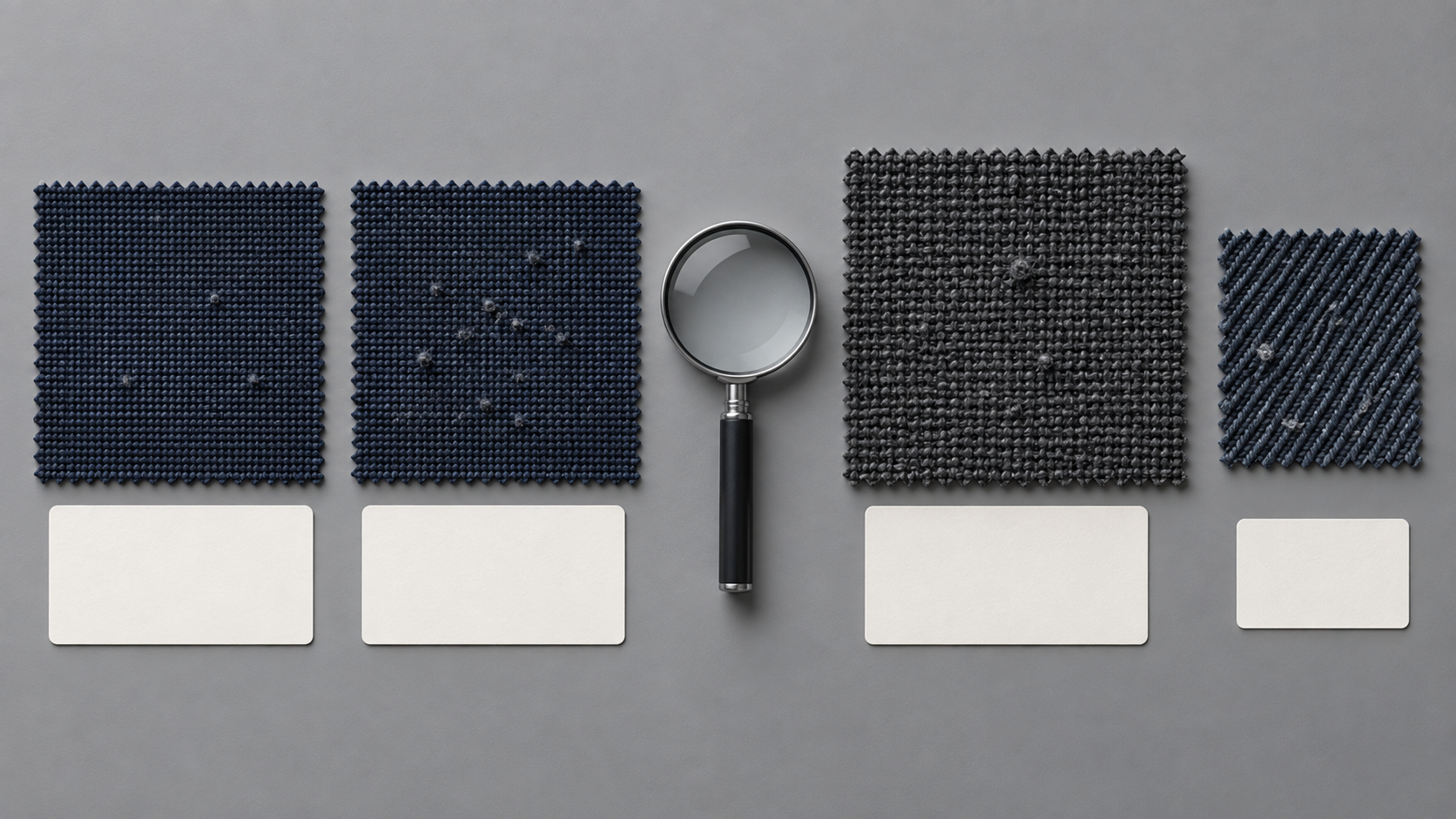
The result can then support a documented project discussion. It still does not rank every fabric or predict how a completed bag will perform in every environment.
How to use pilling information in a first-sample review
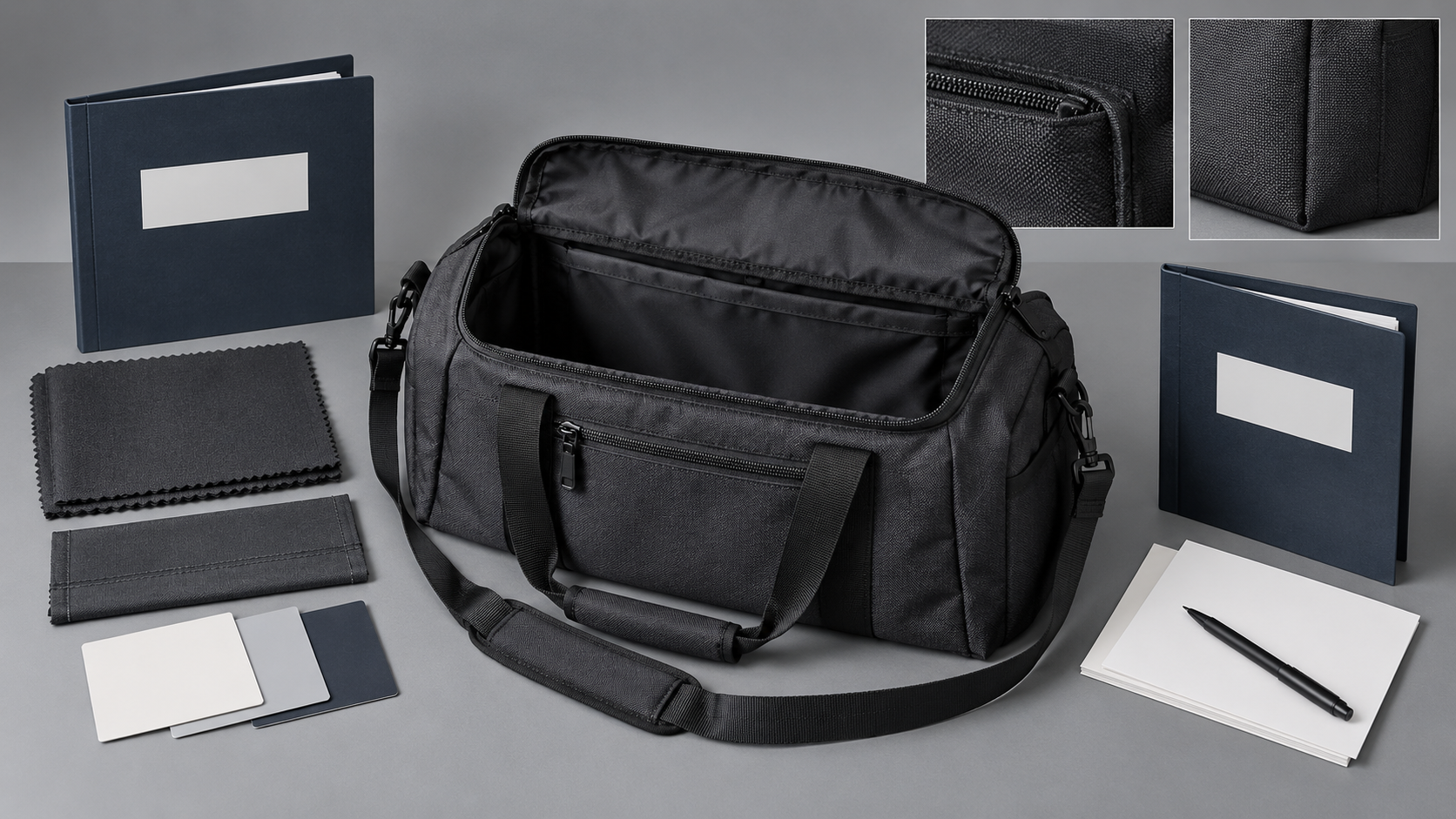
A first-sample review checks the assembled item against the agreed design inputs. It is different from a laboratory pilling test. The review can show how the selected fabric looks and feels in the actual panel, pocket, divider, or closure arrangement, but a visual observation should remain identified as a sample observation.
Keep the material record and the sample observation in separate fields. For each observation, note:
- the sample version and the material reference used;
- the panel, edge, pocket, or component inspected;
- the contents and handling sequence used during the review, when relevant;
- what was observed and under what review conditions;
- how the observation differs from the approved brief, if it differs;
- whether the next action is clarification, a material or structure revision, a defined test request, or acceptance of the documented project requirement.
This record helps a buyer avoid turning an informal visual check into a laboratory claim. It also gives the next sample a clear question to answer.
For a broader version-and-decision record, use a custom bag sample approval checklist alongside the pilling information. The two documents answer different questions: the checklist tracks the assembled sample, while the pilling record describes a stated textile result.
A supplier-and-sample checklist for bag buyers
Use the following checklist as a project record, not as a universal certification form.
| Stage | Buyer records | Result or next action |
|---|---|---|
| Material definition | Fabric identity, construction, finish, panel or component | Confirm, clarify, or mark Needs verification |
| Evidence received | Report or supplier record, method reference, date, evaluation wording | File the source and note missing context |
| Contact scenario | Expected rubbing area, contact object, handling pattern | Confirm the scenario or revise the brief |
| Comparability check | Material, specimen, method, conditions, evaluation basis | Comparable, Not comparable, or Needs verification |
| First sample | Version, location inspected, contents and review conditions | Record observations separately from test data |
| Decision | Requirement met, revision needed, or question remains | Assign the next confirmation step |
The checklist is most useful when every unresolved item has an owner inside the project team and a clear next action. It should not be presented as an external standard or a guarantee of batch consistency.
How pilling information fits with broader fabric selection
Pilling is one surface question within a wider material decision. Fabric construction, denier, backing, finish, panel location, contents, and handling can all affect the questions a project needs to answer. A denier description does not replace pilling information, and a pilling record does not replace a decision about the full bag construction.
For the wider material-selection context, read Demystifying Fabric Denier and Durability in Custom EVA Cases. This article stays focused on the narrower task of reading pilling information before sampling.
If the project needs to examine repeated rubbing rather than surface pilling, see Fabric Abrasion Test: How B2B Bag Buyers Should Read Results Before Sampling. Abrasion and pilling are separate questions, so their records should not be used as substitutes for one another.
How Pengtour can support a project-specific material review
Pengtour can discuss eligible custom sewn-bag and EVA-case projects through the project inputs that have been approved for the work. Those inputs may include the intended contents, material direction, internal organization, access needs, carrying elements, and sample-review questions.
The suitable material and review scope depend on the product structure, contact conditions, approved sample, and confirmed project requirements. A discussion of pilling information does not mean that Pengtour owns a pilling tester, performs a particular ASTM method, or has a fixed acceptance score. Any required test, report, or acceptance condition should be confirmed for the individual project.
For a material or sample discussion, contact Pengtour with the product details, intended use, accessory list, material reference, and any available test record. The team can then identify which questions are defined and which still need verification.
FAQ
How should I ask for a fabric pilling-test result?
Ask for the result together with the fabric identity, construction, specimen description, method or report reference, stated conditions, evaluation language, date, and limitations. Also explain which bag panel or contact situation the information is meant to support.
Does pilling automatically mean a fabric is poor quality?
No. Pilling is a surface concern, and its relevance depends on the material, construction, intended appearance, contact zones, and handling conditions. A project should review the record and the actual sample instead of applying a universal material ranking.
Can a pilling result predict how long a bag will last?
No. A pilling result describes a limited test or observation under stated conditions. It does not predict the service life of an assembled bag, its seam strength, its protection, or its performance under every use condition.
Is a first-sample review the same as a pilling test?
No. A first-sample review checks the assembled bag against the agreed project inputs. A pilling test is laboratory information about a textile specimen under stated conditions. Both can inform a material discussion, but they answer different questions.
What if two supplier records cannot be compared?
Record Needs verification and list the missing or different context. Ask for the relevant material, specimen, method, conditions, and evaluation details before using either record to support a project decision.