


Before comparing foam materials, we need to clarify the scope of the case study.
First, list the items inside the box and how people will use it. Record the equipment, accessories, cables, chargers, detachable parts, and any items that must be kept in a fixed position. Then describe the movement the box will undergo during normal handling and transportation.
The briefing should also answer some questions regarding layout:
- Which surfaces come into contact with the insert or lining?
- Do users frequently take out individual items, or do they only open the box occasionally?
- Does this box need a sturdy shape to enclose the contents, or does it primarily rely on soft insulating layers?
- Will the foam material be placed in a sewn bag, a semi-rigid EVA box, or a combination of both?
- Which edges, zippers, handles, or pockets might hinder the use of the liner?
These answers determine whether you are comparing structural core materials, molded inserts, or contact surfaces. Comparing materials before defining their intended use often results in a specification that appears precise but is difficult to verify.
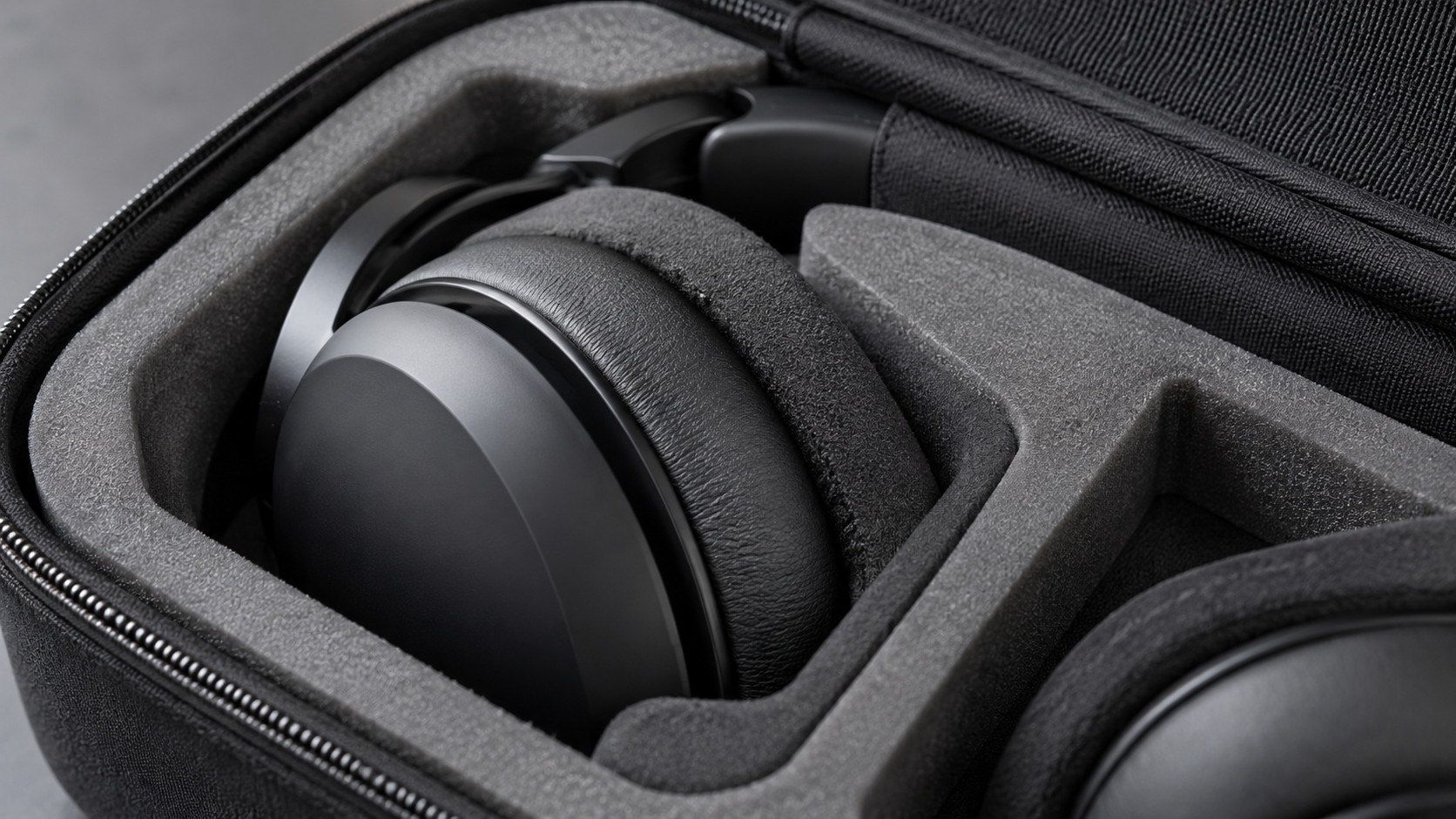
EVA and PU labels are not interchangeable.
EVA foam is commonly used in the structural or semi-rigid foam materials for protective enclosures. PU foam is often considered a softer, more conforming material, suitable for cushioning or contact areas. These descriptions are for reference only and are not universal standards. The performance of a foam depends on its formulation, density, thickness, cell structure, surface treatment, and how it is attached to the enclosure.
The enclosure structure is just as important as the foam material. The performance of the foam lining will vary depending on whether it is bonded, sewn to the lining, placed under a fabric cover, or allowed to move within the cavity. Even if the material name is the same, it cannot determine the final feel, fit, and stability of the finished enclosure.
Variables that should be included in the comparative case summary
Use a comparison table to define the problems the team must solve. The entries in the table should remain valid until verified by a project sample or approved technical evidence.
| Design variables | EVA starting point | PU starting point | What aspects need to be checked in the project sample? |
|---|---|---|---|
| Structural function | This method is typically considered when a semi-rigid or irregularly shaped support is required. | This approach is typically considered when a softer, more conforming contact layer is required. | Does the outer shell maintain its intended shape, and does the inner lining remain in place? |
| Contact with the product | It can be covered or surface-treated to control the contact surface. | It can be considered for use when a softer touch or localized cushioning is needed. | Are there pressure points, wear risks, loose edges, or unnecessary movement? |
| cut and fit | This is a useful starting point for irregular cores and molded inserts. | This may be suitable for areas where the material needs to be bonded to the surface. | Does the cavity match the product throughout the entire removal and disassembly process? |
| Layered arrangement | Depending on the structure, it can be used as a core material, insert, or support layer. | Depending on the design, it can be used as an insertion layer or a contact layer. | Have the layers been identified, located, and fixed in the drawings or samples? |
| Cutting or shaping route | This project may require EVA components that are shaped, cut, or assembled. | This project may require cutting or molding polyurethane components. | Can the proposed solution achieve the required geometry and repeatable assembly? |
| Review methods | Check fit, stability, edges, closure, and operational performance. | Check the contact area, compression sensation, recovery after treatment, and movement. | Which observations are the acceptance criteria, and which still need to be confirmed? |
This table does not rank the various foam materials. It compares them in relation to specific project cases, which is what procurement and engineering teams can truly appreciate.
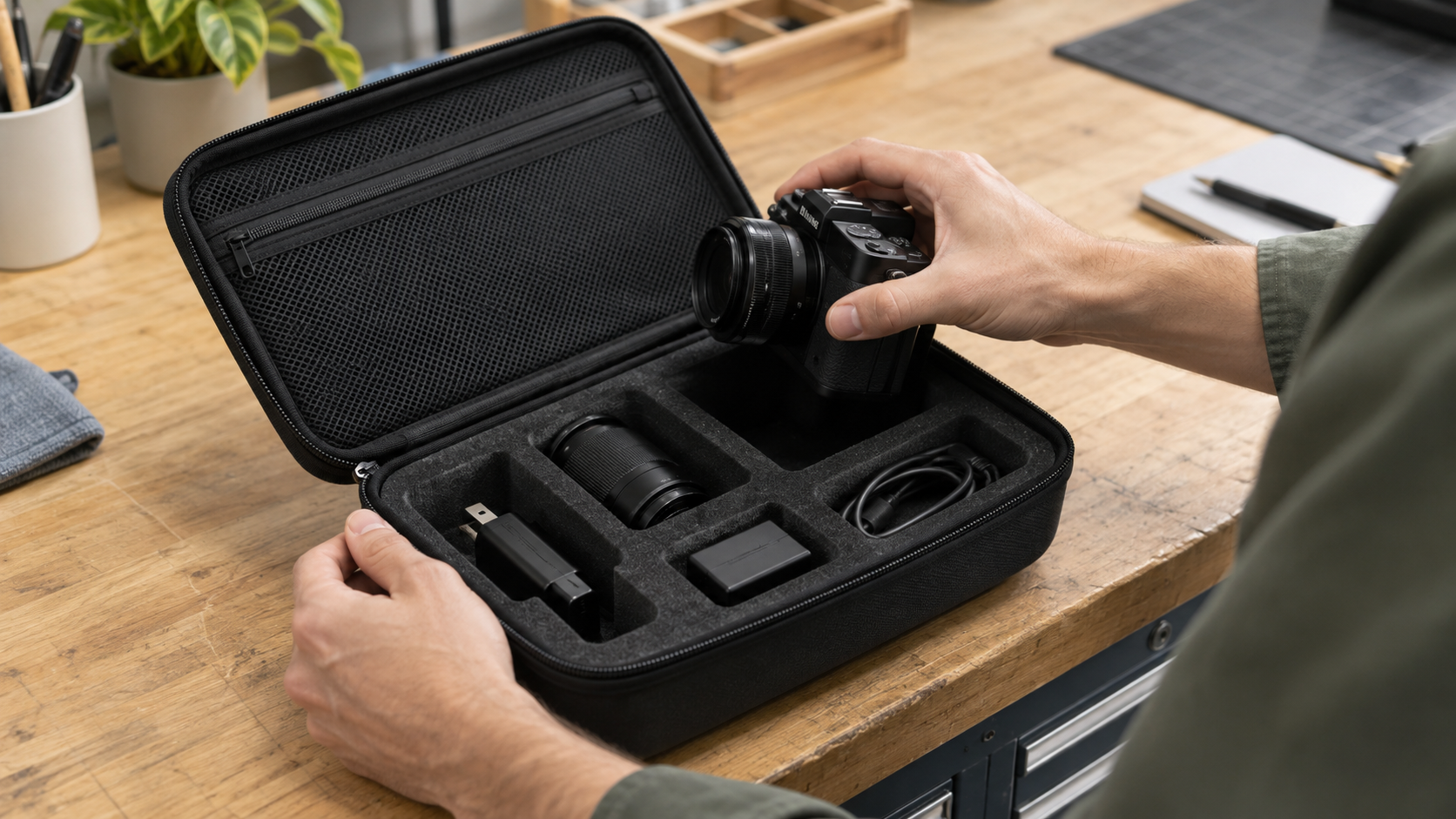
When is it worth considering using a softer PU layer?
The design team may consider using polyurethane (PU) materials for contact areas that require a softer touch, localized cushioning, or better conformation to irregular surfaces. The final choice depends on the type of item being protected, the available space, the covering material, and how the user will remove the item.
For example, while a soft padding layer provides a comfortable contact surface, it can lead to excessive movement if the surrounding cavity design is not well-defined. It can also alter how zippers close or how well the product fits the seams. These are layout issues, and conclusions cannot be drawn solely from the word "PU".
If considering polyurethane (PU), include this material in the project input and specify its intended use. Inquire about the proposed thickness, layers, fastening method, cover material, and sample review points. Remain open to any unknown details and avoid filling in gaps with generic performance specifications.
When will extravehicular activity become a more practical starting point?
For semi-rigid protective cases, the EVA structural core provides a clear starting point for defining the case's shape, lining placement, and the interaction between the case and its contents. Pengtour has confirmed its ability to service certain custom EVA protective case projects, including cases for electronics, tools, instruments, cameras, speakers, and other specific applications. For more detailed information on EVA lining layout, please refer to "How to Choose the Right EVA Case Foam Liner for Custom Products."
This scope does not imply that every project will use the same EVA structure, nor does it mean that an EVA enclosure will automatically meet specific protection objectives. The buyer still needs to provide information on equipment, accessories, handling conditions, dimensions, and acceptance criteria. Subsequently, a comprehensive evaluation of the materials and structure should be conducted on the first sample.
Establish a sample comparison, rather than the approved material name.
Before the design is approved, please prepare a brief comparison record. This record can be attached to the project drawings, bill of materials, or sample review documents.
- Determine the products, accessories, and detachable parts that the box must contain.
- Each foam location is labeled as a structural core, irregular insert, spacer, or contact layer.
- Record the materials to be used, thickness, covering layer, fixing method, and exposed edges.
- When placing and removing items in the normal order, check that it is appropriate.
- Check the range of motion, pressure points, closure method, handle movement, and accessibility of pockets or cables.
- Pay close attention to the condition of the samples and any items that still require project confirmation.
- Record the acceptance decision and any changes required for the next sampling (if any).
This process helps distinguish sample observations from laboratory tests or general material declarations. Furthermore, it provides the same reference point for both the manufacturer and the buyer when submitting change requests.
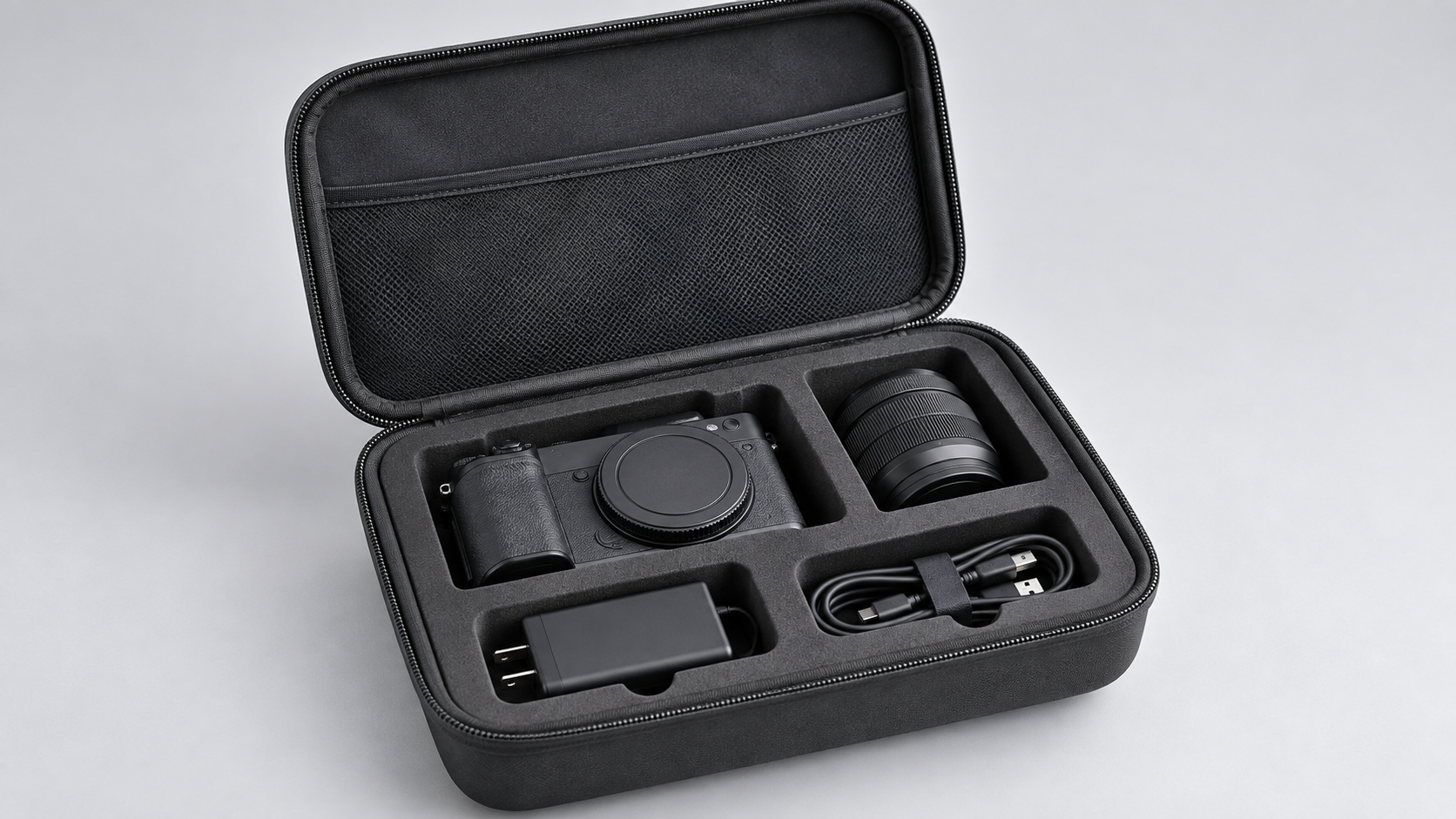
Questions that should be included in a request for quotation or design brief
The request for quotation does not need to predict all the details before the first meeting. It only needs to provide the supplier with enough information so that they can understand their role in the project and the decisions they need to make.
- Product dimensions, reference samples, and any parts that must be removed before packaging.
- Overview of the accessories list and user access order.
- A sketch or photograph indicating the contact surfaces and areas that must be kept clean.
- The desired shell structure, such as a semi-rigid EVA shell, a sewn bag, or a multi-layer design.
- A preliminary foam layer distribution map shows the expected function of each layer.
- Important sample checks for your team include fit, mobility, accessibility, closure, and workmanship.
- Any requirements regarding materials, colors, cleaning, packaging, or branding that need to be confirmed.
Avoid demanding guaranteed results when testing methods or acceptance criteria have not yet been defined for the project. Clear and specific questions are more valuable than unsubstantiated figures.
How Pengtour supports EVA case projects
Pengtour provides project support for some custom EVA protective enclosure projects. The collaboration includes equipment and accessory configuration, enclosure structure, foam lining layout, surface materials, retrieval sequence, and first-piece sample inspection. The final material combination and structure will be determined based on the project brief and sample review results.
This approach ensures that material comparisons are useful to actual buyers. It does not assume that Pentour supplies polyurethane foam, nor does it claim that EVA material has fixed specifications, nor does it promise any unverified testing, certification, quantity, price, or delivery time.
Frequently Asked Questions
Which is better for a protective case: EVA or PU?
Neither of these materials is a panacea. When choosing, the function of the layer, the product contact surface, available space, the shell structure, and what the sample needs to display should be considered.
Are there different grades or numbers of layers for foam materials?
Yes, a project may use different foam materials or layers for different purposes. Project briefings should clearly indicate the location and function of each material, rather than simply describing all specifications using a single material name.
Does thickness affect the decision?
Thickness affects fit, accessibility, closure, and available space for contents. It should be considered a project variable and must be checked based on the product and its casing structure.
What aspects should buyers compare when viewing the first sample?
Compare fit, range of motion, contact points, openings, closure methods, exposed edges, surface finish, and other unresolved issues. Record observations separately from formal test results.