
Custom Case & Bag Manufacturing Guides
Practical guides for B2B buyers covering materials, design, sampling, testing and mass production.
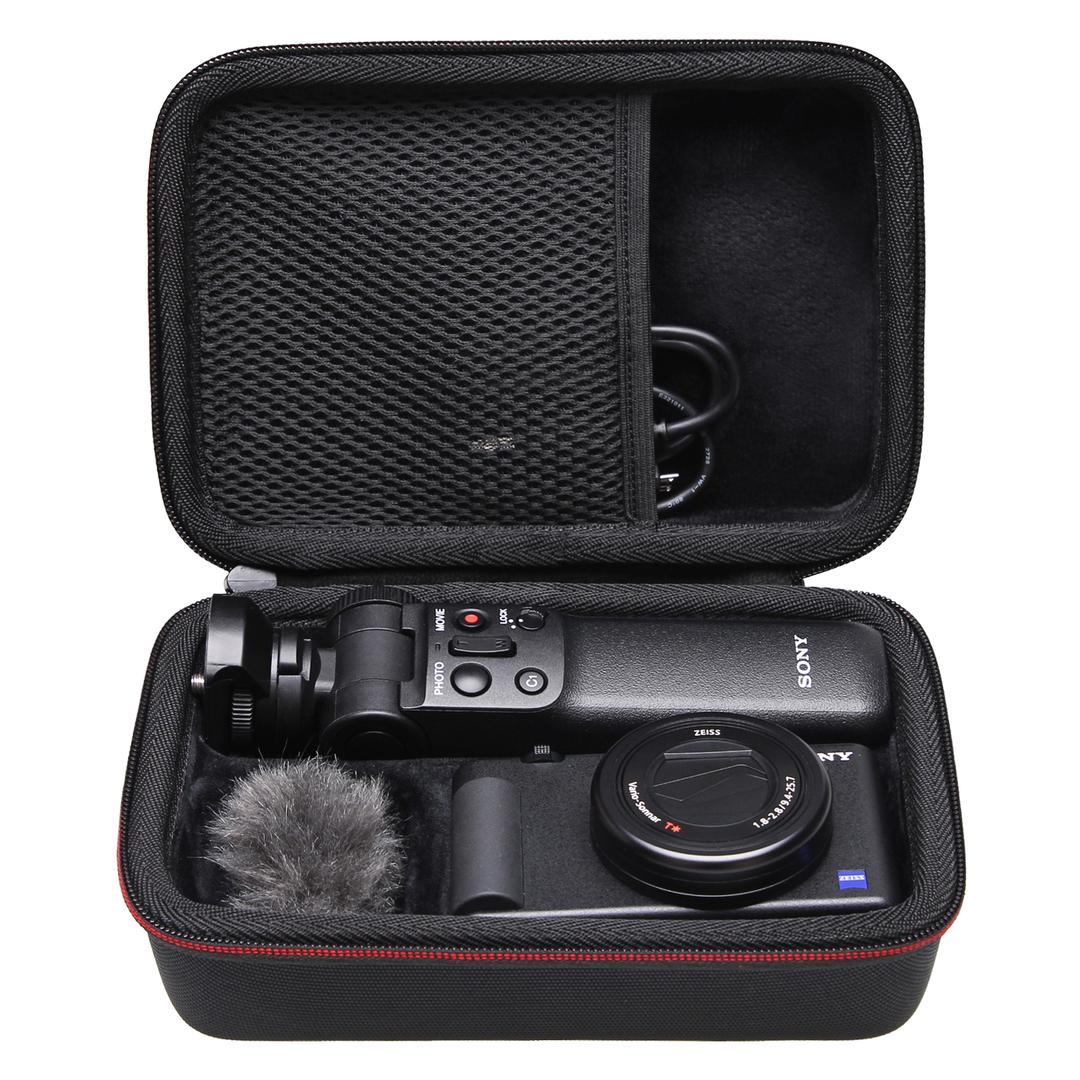
A practical B2B guide to custom Sony ZV-1 EVA cases, covering foam insert design, OEM branding, materials, manufacturing process, Amazon seller requirements, and supplier selection.
 pengtour
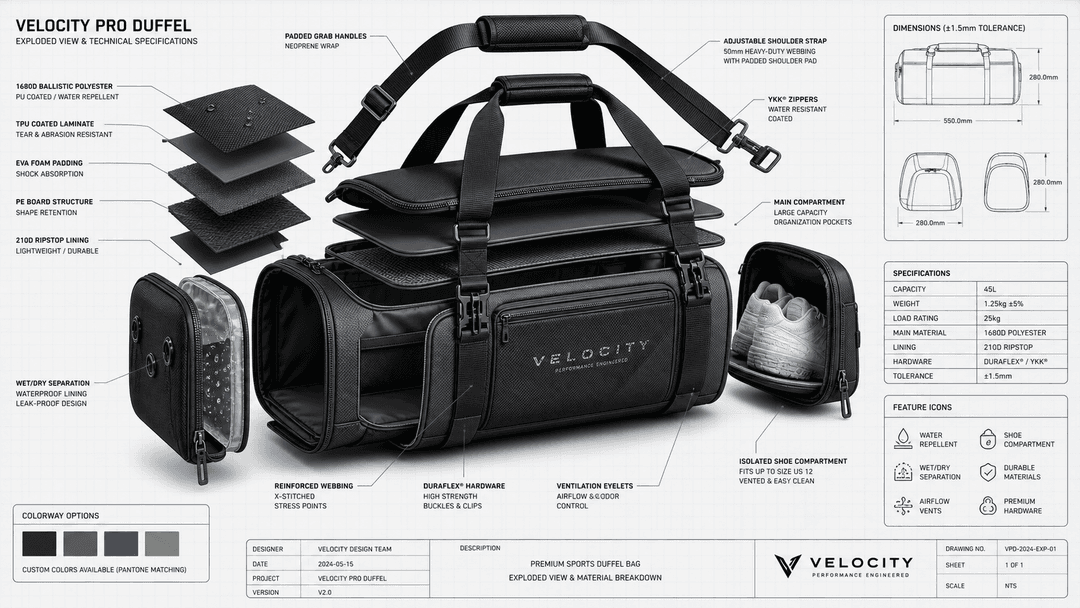
Sending a flat sketch to a factory often leads to inflated quotes and manufacturing defects. Discover what is a tech pack for a bag and how a complete handbag spec sheet streamlines your supply chain, eliminates factory guesswork, and slashes your prototyping cycle by 50%.
pengtour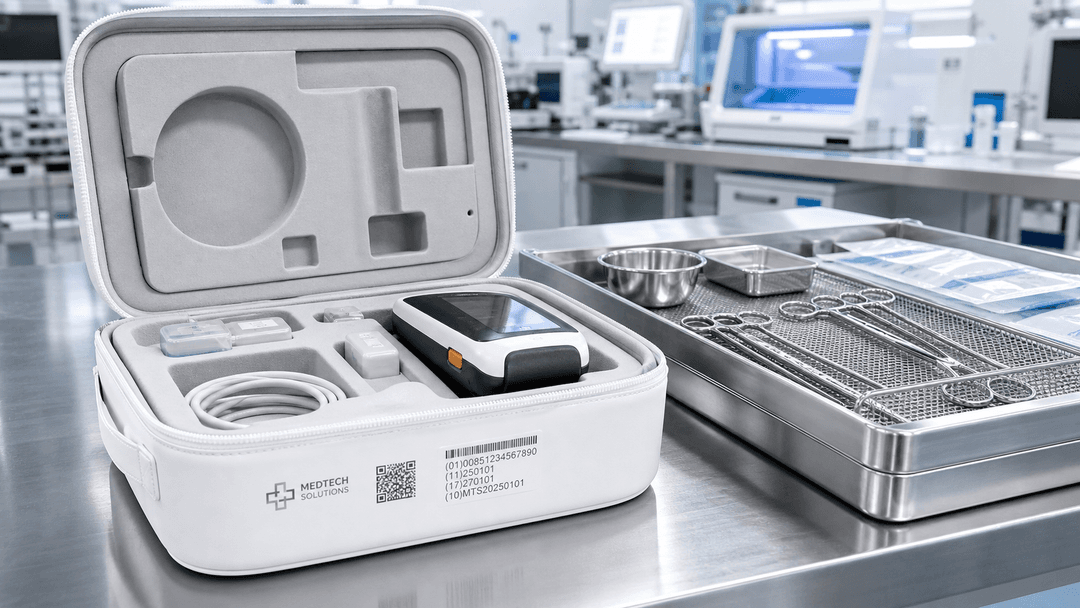
This technical procurement guide details the mandatory medical sourcing compliance protocols for custom medical EVA cases. It outlines the intersection of ISO 13485 quality systems, ISO 10993 biocompatibility standards (including the 2025/2026 risk-management frameworks), EU MDR 2017/745 traceabilities, and ISO 11607 sterilization compatibility validations required to secure international market access for high-consequence medical diagnostics and surgical instruments.
pengtour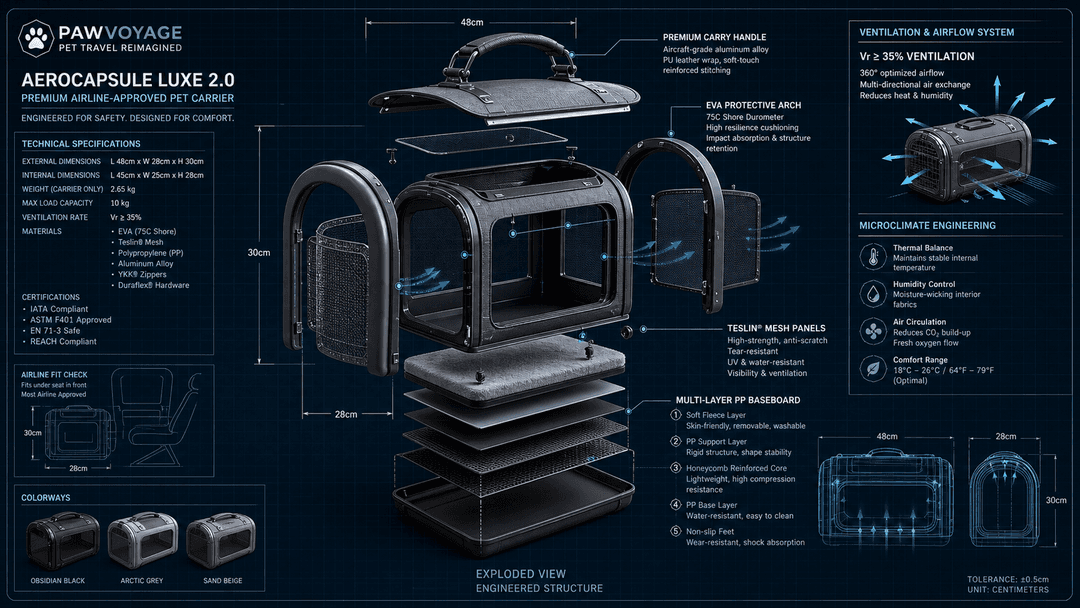
This comprehensive B2B engineering breakdown details the structural design and manufacturing requirements for custom pet carriers. It covers semi-rigid EVA thermoforming core densities, ventilation dynamics using mathematical airflow formulas, claw-resistant mesh polymer selections, escape-proof hardware integration, and international chemical compliance standards essential for global pet brand procurement.
pengtour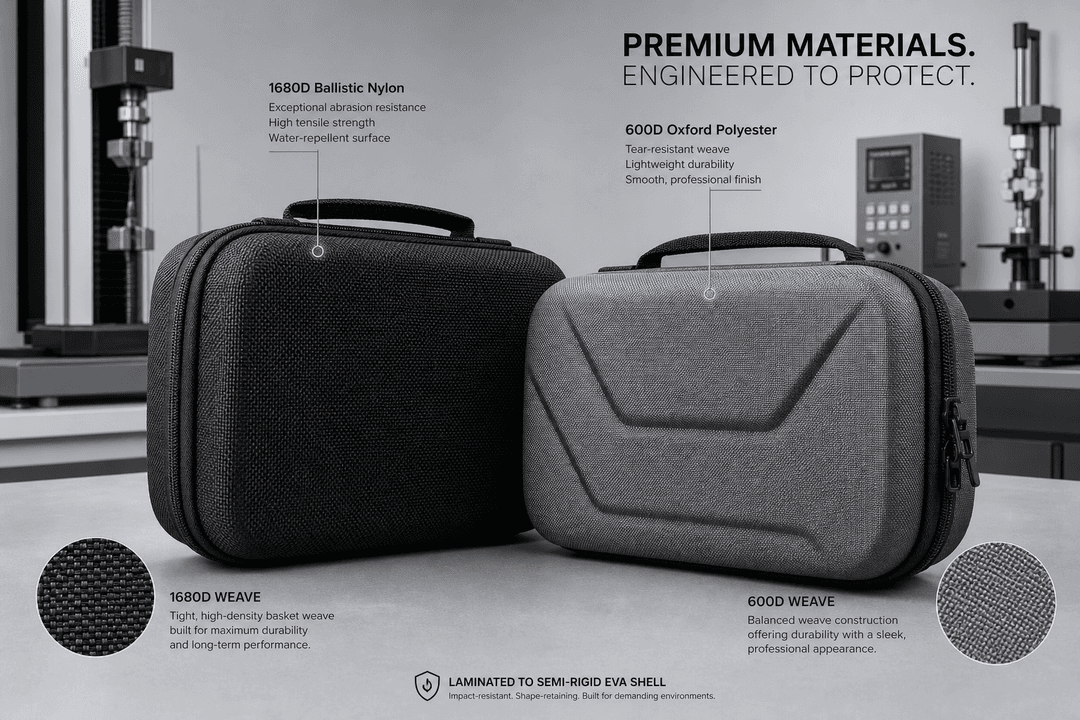
This technical B2B guide demystifies fabric denier (D) for procurement managers specifying outer materials for custom EVA cases. It covers the physics of denier, contrasts nylon and polyester molecular profiles, outlines the thermoforming lamination process, and provides clear selection frameworks to match material durability with heavy industrial, medical, and premium consumer hardware environments.
pengtour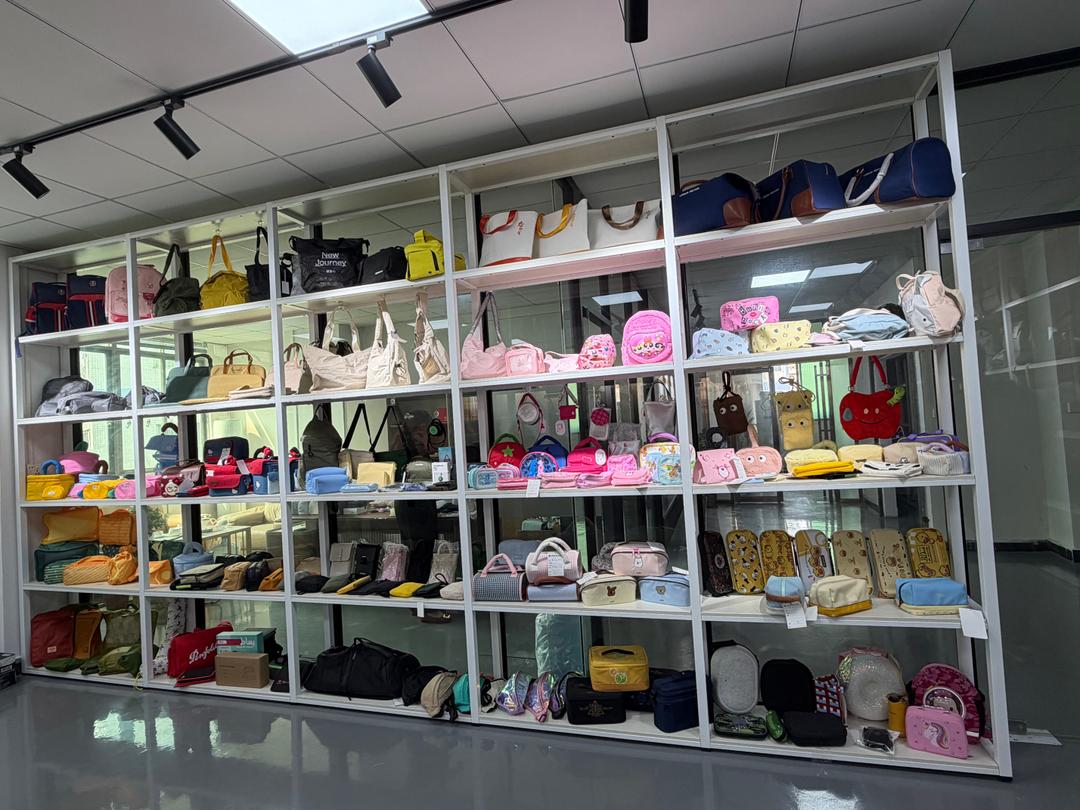
To source custom functional bags efficiently, B2B buyers must provide a comprehensive tech pack specifying fabric denier, hardware grades, and exact dimensions. The manufacturing process scales from a 2D pattern to a physical prototype, moving through automated cutting, precision stitching (maintaining 7–8 Stitches Per Inch), and reinforced bartacking before undergoing AQL 2.5 quality control and chemical compliance auditing.
pengtour