

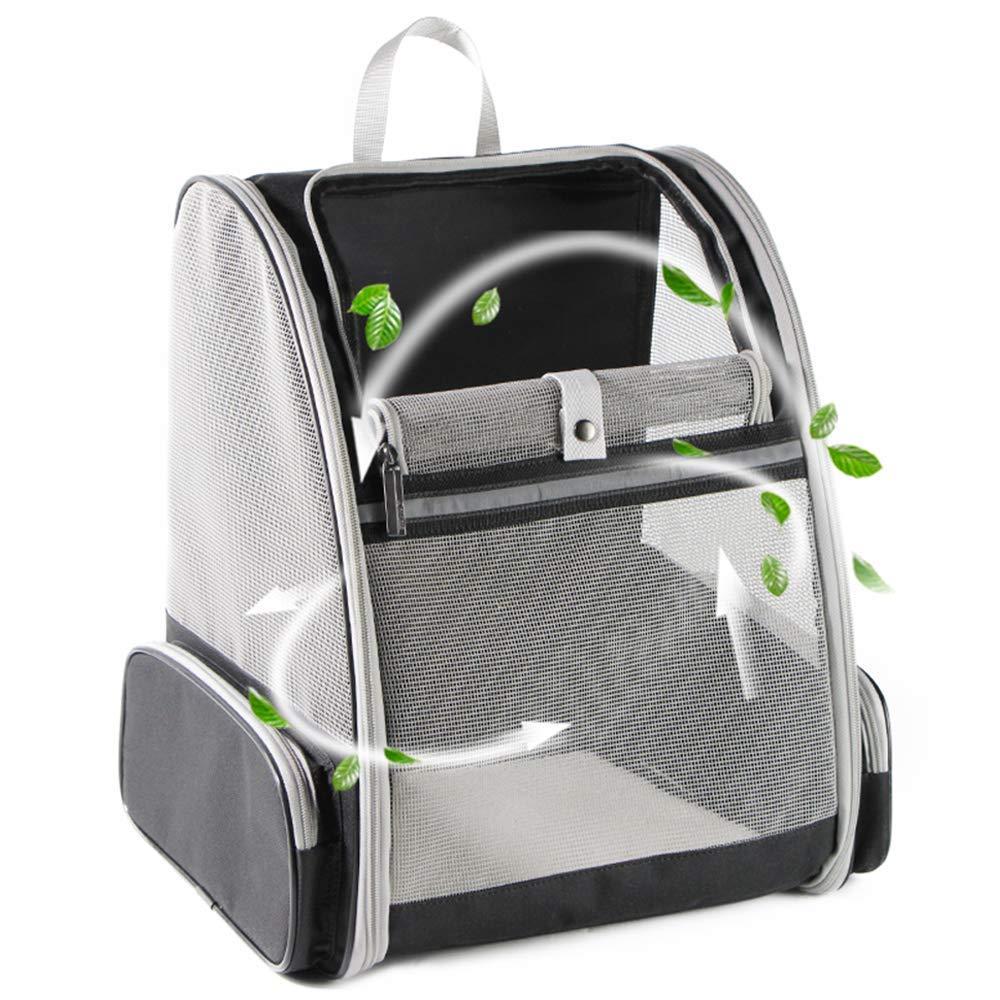
When evaluating how to choose a custom expandable pet carrier for bulk sourcing, pet brands and Amazon sellers must balance structural stability with cost-efficiency. Choosing the right product involves analyzing extension mechanisms, mesh durability, hardware safety, and regulatory compliance to minimize high retail return rates. Securing a reliable manufacturing partner who implements rigorous quality controls is essential to maintaining stable premium pricing and brand reputation in a competitive global market.
A premium custom expandable pet carrier must prioritize structural integrity to prevent cabin collapse when extended. High-quality manufacturing requires a minimum of a 2.5mm high-tensile carbon steel memory wire frame combined with fiberglass support rods, a rubberized anti-scratch mesh with a minimum tear strength of ≥220N, and auto-locking explosion-proof zippers (such as SBS) to prevent pet escape and eliminate structural sagging.
Executive Sourcing Highlights
-
Frame Engineering: Look for integrated carbon steel wire loops rather than thin 1.5mm iron wires to prevent structural sagging under load.
-
Textile Integrity: Prioritize 900D cationic Oxford fabric over low-grade 600D single-layer polyester for superior tensile yield strength and wear resistance.
-
Component Safety: Mandate mechanical fatigue-tested, auto-locking zippers that resist inward claws and persistent biting.
-
Global Compliance: Verify dimensions and ventilation metrics against international transit authorities to pass retail cross-border compliance checks seamlessly.
Why the Global Demand for Wholesale Expandable Pet Carrier Options is Surging
The international pet travel and outdoor gear market has experienced a profound shift in consumer purchasing behavior. Cross-border e-commerce data indicates that modern pet owners no longer view carriers as mere utility cages for infrequent veterinary visits. Instead, they demand highly versatile, comfort-first travel ecosystems suitable for road trips, outdoor camping, and airline cabin travel. Consequently, procurement professionals are actively expanding their inventories with high-quality wholesale expandable pet carrier options to capture this high-margin market segment
| Evolution Stage | Product Concept & Design | B2B Market Value & Sourcing Impact |
| 1. Standard Closed Carrier | Basic Restrictive Pod: Traditional, single-compartment enclosed soft or hard bag with minimal visibility. | Low entry barriers and intense retail price competition. High product return rates on e-commerce platforms due to pet claustrophobia. |
| 2. 2-Way Mesh Expansion | Targeted Legroom: Features a single linear zippered mesh tunnel that extends outward from either the side or the rear panel. | Mid-tier differentiation. Ideal for streamlined, lightweight everyday backpacks and brief urban commuting. |
| 3. 4-Way Panoramic Cabin | Full Ergonomic Ecosystem: Accordion-style mesh pods deploy simultaneously from multiple sides, maximizing floor footprint. | High-margin premiumization trend. Commands the highest retail margins, targeting high-end outdoor camping and long-distance travel markets. |
When analyzing consumer search trends on major retail platforms like Amazon, Chewy, and Wayfair, product listings featuring extendable sections consistently outperform traditional, rigid, soft-sided carriers. The reason is simple: pet humanization has driven owners to prioritize the physiological well-being of their animals. A standard pet bag restricts movement, causing elevated pet anxiety and heat retention during extended transit. Conversely, an expandable variant allows the interior volume to increase by up to 150% to 200% once deployed, providing immediate panoramic ventilation and room to stretch.
For international distributors, brand owners, and procurement managers, investing in a robust wholesale expandable pet carrier line offers a clear path to product differentiation. In a crowded digital retail environment, selling entry-level, single-compartment bags inevitably leads to aggressive price wars and eroding profit margins. By offering engineered expandable structures, brands can command premium retail price points, justify higher shipping values, and significantly lower the frequency of negative consumer reviews centered around pet claustrophobia or discomfort.
Evaluating a Custom Pet Carrier Manufacturer: Core Engineering Standards
Navigating the global supply chain requires looking past superficial cosmetic designs and diving deep into the technical manufacturing capabilities of a supplier. Partnering with an experienced, industrial-scale custom pet carrier manufacturer allows brands to control every aspect of structural design and material selection, shifting focus from low-cost competition to high-durability engineering.
A. Extension Mechanism & Frame Stability (Preventing Collapse)
From an engineering perspective, the most common failure point in poorly constructed expandable models is localized structural sagging when the expansion bays are deployed. Many low-cost factories utilize standard 1.5mm low-carbon iron wires or flimsy, single-layer fabrics for the extension frame to reduce production costs. When an animal weighing over 5kg shifts its weight into the extended section, the base plate tilts, the roof caves inward, and the entire structure buckles. This immediate field failure triggers high product return rates for e-commerce distributors.
To systematically eliminate this design flaw, our engineering team re-engineered the tracking mechanism. We replaced weak iron wires with 2.5mm high-tensile carbon steel memory wire loops, reinforced by hidden, built-in fiberglass support rods along the secondary extension joints. Furthermore, all stress-bearing hinge points are double-stitched using 900D cationic Oxford fabric instead of standard 600D single-layer polyester. This structural architecture ensures that even when the extension bay is opened to its maximum 4-way footprint, the parallel alignment remains rigid and perfectly level, sustaining a secure, non-collapsible environment.
| Framework Tier | Engineering Blueprint | Maximum Load Performance | Structural Integrity & Return Risk |
| Low-End Factory Standard | $1.5\text{ mm}$ low-carbon iron wires; single-layer light fabrics without hinge reinforcement. | Base plate tilts and pitches downwards under a $5\text{ kg}$ testing load. | Extended cabin caves inward; triggers high return rates and negative e-commerce reviews. |
| Pengtour Custom Design | $2.5\text{ mm}$ high-tensile carbon steel loops + hidden built-in fiberglass support rods. | Maintains a perfectly rigid, level plane up to a $\ge 12\text{ kg}$ continuous load. | Zero structural sagging; expansion floor remains parallel to the ground over extended field use. |
B. Upgrading Pet Carrier Mesh Material Tear Strength to Reduce Complaints
The selection of mesh fabric is another critical factor that directly impacts product lifespan and customer satisfaction. The industry baseline frequently relies on generic PVC nylon mesh, which lacks sufficient elasticity and puncture resistance. When an anxious cat or dog repeatedly claws at the ventilation windows during travel, the fibers quickly fray, tear apart, or separate entirely from the fabric seams, rendering the carrier useless and risking pet escape.
To optimize the pet carrier mesh material tear strength, our factory utilizes an advanced, custom-formulated TS-02 rubberized anti-scratch mesh material reinforced with a polymer coating. According to independent scientific safety testing protocols established by organizations like the Center for Pet Safety, the weakest point of any pet travel enclosure is almost always the localized stress concentration at the fabric-to-mesh seams.
While typical market mesh exhibits a tear resistance of only 60N to 80N, our polymer-coated rubberized mesh consistently withstands a puncture and tear load of ≥220N. This high threshold prevents claw penetration and grid warping. When sourcing a wholesale expandable pet carrier from our dedicated wholesale expandable pet carrier product page, buyers receive a product engineered to eliminate tearing complaints, securing long-term reliability for their brand.
3. Tailoring Your Product: Expandable Pet Backpack Wholesale Customization Checklist
Executing a successful product launch in the premium pet accessories sector requires a clear, technically defined customization blueprint. Launching an optimized expandable Pet backpack wholesale line involves translating target consumer pain points into precise manufacturing specifications before starting mass production.
A. Multi-Way Expansion Layouts (2-Way vs. 4-Way Designs)
Product managers must first decide between a 2-way linear expansion and a 4-way panoramic expansion. A 2-way expansion utilizes a single zippered mesh tunnel that extends from the rear panel, making it ideal for streamlined, lightweight backpacks intended for daily urban commuting.
A 4-way configuration deploys accordion-style mesh pods from both the sides and the rear, maximizing the horizontal floor space. While the 4-way design increases total material consumption and assembly time, it commands a much higher retail premium and appeals directly to long-distance travelers and outdoor camping enthusiasts.
B. Hardware & Zipper Safety (Anti-Escape Auto-Locking Systems)
Zipper failures represent a major source of negative product reviews and liability concerns for pet brands. Standard nylon zippers easily separate under internal pressure when a pet pushes its weight against the mesh door. Additionally, intelligent or anxious animals can use their paws to slide generic zipper pullers open from the inside.
Our quality assurance protocols eliminate these vulnerabilities by mandating custom-molded SBS anti-escape auto-locking zippers on all primary access panels. These specialized sliders feature an internal mechanical lock that prevents the zipper from opening unless counter-pressure is applied directly to the exterior pull tab. Even under intense internal scratching or biting, the zipper teeth remain locked, preventing accidental pet escape during transit.
In October 2025, an established European pet travel brand contracted us to develop and manufacture a custom 2-way expandable pet carrier backpack (folded dimensions: 43 x 28 x 32 cm; fully expanded dimensions: 43 x 65 x 32 cm). The client’s primary objective was to remediate a damaging 7.6% product return rate on their e-commerce platforms, which was caused by zipper teeth separation and structural sagging reported with their previous manufacturing partner.
Our R&D team designed an integrated skeletal system utilizing dual 2.3mm high-elastic memory steel wire loops along the expansion tracks, preventing the expanded base from pitching or sagging over time. For the closure system, we integrated the custom-molded SBS anti-escape auto-locking zippers. We produced an initial production run of 2,500 units within a strict 35-day lead time. Prior to container loading, random batch testing confirmed that our TS-02 polymer-coated rubberized mesh achieved a tear strength resistance of ≥220N. Eight months post-launch, the client's documented return rate dropped from 7.6% to under 0.4%, preserving their brand reputation.
To demonstrate how our factory standards outperform generic market offerings, review the technical parameter matrix below:
Industrial Engineering & Quality Standards Matrix
| Engineering Metric | Generic Market Baseline | Pengtour Factory Standard | Sourcing Impact |
| Primary Structural Fabric | 600D Single-Layer Polyester | 900D Cationic Oxford + PU Coating | High hydrostatic resistance; prevents water leakage and prevents tearing under tension. |
| Mesh Tear Resistance | 60N - 80N tensile force | ≥220N (TS-02 Polymer Rubberized) | Eradicates claw punctures; completely prevents cat escape and mesh fraying. |
| Max Extension Load Limit | 3kg - 5kg before bending | ≥12kg continuous static load | Zero structural sagging; expansion floor stays perfectly parallel to the ground. |
| Zipper Hardware Lifecycle | 1,000 cycles (Non-locking) | 5,000 cycles (SBS Auto-Locking) | Eliminates slider derailment and prevents pets from opening zippers from inside. |
| Base Plate Construction | Flaccid cardboard / Unpadded MDF | Multi-layered composite wood + EPE foam | Prevents bending or warping when wet; provides stable, long-term spinal support. |
| Prototype Turnaround Time | 10 - 15 business days | 3 - 5 business days | Approves time-to-market for seasonal product campaigns. |
4. Compliance Check: Meeting Airline Approved Pet Carrier Requirements
For premium pet travel brands, achieving international regulatory compliance is a major selling point that drives consumer conversion. Mass-producing a carrier without verifying global transportation standards can lead to severe customs bottlenecks, cargo rejections, and costly product liability claims for retail clients.
| Compliance Tier | Core Regulatory Focus | Pengtour Factory Implementation Standard | Sourcing Security Outcome |
| 1. IPATA General Framework | Global safe live animal transit, pet welfare, and stress reduction guidelines. | Engineering flexible, shock-absorbent soft-sided blueprints that flex under impact. | Establishes a premium product baseline for international brand positioning. |
| 2. IATA LAR Regulations | Continuous multi-sided ventilation area percentages and escape-proof locking mechanisms. | Integrating premium mesh grids and custom-molded SBS anti-escape auto-locking zippers. | Eliminates accidental pet escape liability and passes airport checks seamlessly. |
| 3. Multi-Stage Verification | Carrier dimensions must fit precisely within major airline under-seat clearance zones. | Strict $43 \times 28 \times 32\text{ cm}$ master CAD/CAM cutting patterns with compressible top arches. | Guaranteed cross-border clearance; zero cargo rejection risk at international customs. |
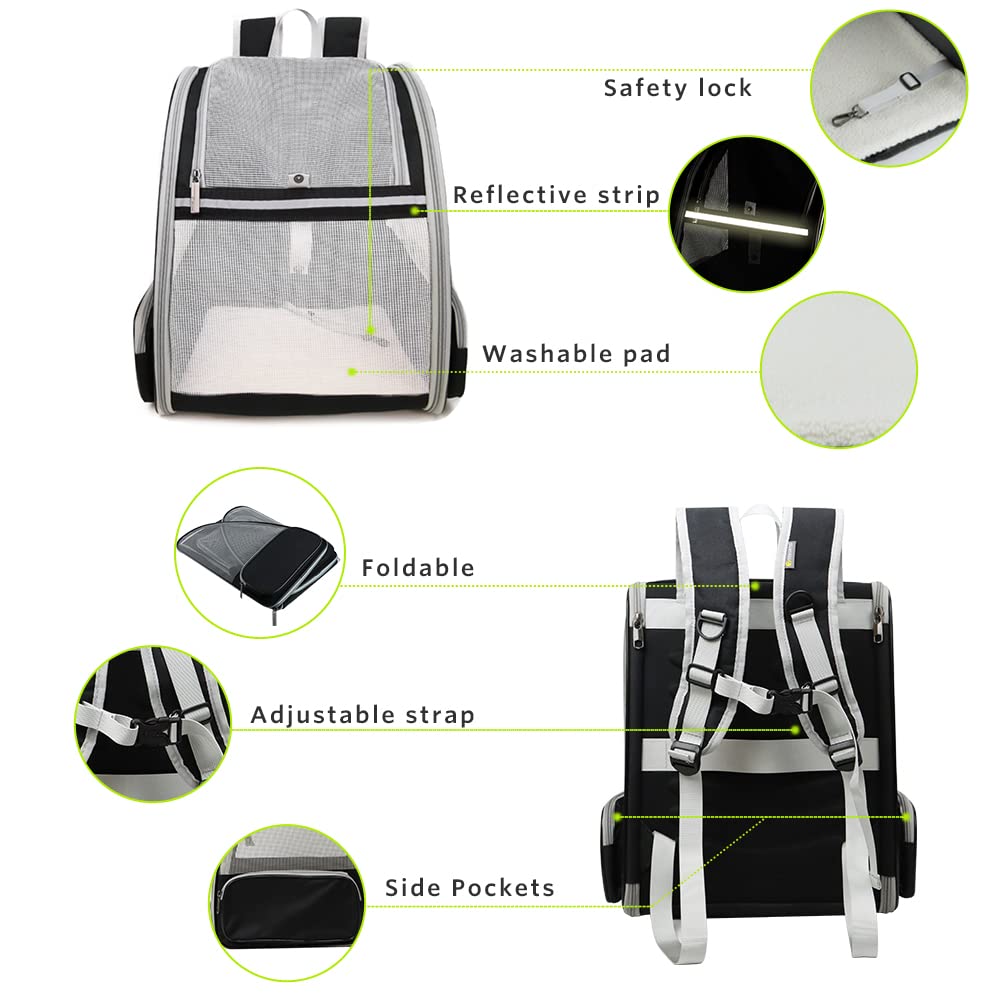
Sourcing blueprints must strictly align with the Live Animals Regulations (LAR) set by major transport authorities and verified by organizations like IPATA (International Pet and Animal Transportation Association). These guidelines dictate that a soft-sided enclosure intended for in-cabin air travel must feature continuous, multi-sided ventilation, an escape-proof fastening mechanism, and a completely liquid-impermeable base layer to contain accidental spills.
Furthermore, the physical dimensions of an airline approved pet carrier requirements configuration must fit precisely within the under-seat clearance zones of major international airlines. The standard folded dimensions for under-seat compliance are strictly bounded:
Our manufacturing facility incorporates these precise limits directly into our master CAD/CAM cutting patterns. The soft-sided top arch is engineered with flexible fiberglass rods, allowing it to compress slightly under an airplane seat without collapsing the internal breathing zone. Once the passenger reaches the airport lounge or cruise terminal, the side compartments can be unzipped to expand the floor space, completely satisfying both airline size restrictions and pet comfort requirements.
5. Operational Blueprint: Step-by-Step OEM/ODM Sourcing Process
Procuring a high-volume order of custom pet gear requires a structured, multi-phase production workflow. Our factory organizes production into distinct, verifiable steps to ensure complete transparency and consistent quality from the initial consultation to final container loading.
Step 1: Technical Blueprinting & CAD Engineering
The sourcing process begins by translating the client's concept drawings or reference samples into detailed industrial blueprints. Our engineering team builds a complete 3D digital model, mapping out fabric yields, seam positions, component clearances, and weight distribution vectors.
Step 2: Precision Prototyping & Material Sourcing
Once the CAD model is approved, our sample room creates a physical prototype within 3 to 5 business days. During this step, we source the specified 900D Oxford fabrics, SBS auto-locking hardware, and TS-02 rubberized mesh to match the exact colorway and technical requirements of the brand.
Step 3: Mechanical Testing & Stress Verification
Before tooling for mass production, the prototype undergoes comprehensive quality testing in our laboratory. This includes a 72-hour continuous static load test, a 5,000-cycle mechanical zipper fatigue simulation, and fabric tensile strength testing to confirm the product can withstand real-world travel conditions.
Step 4: Automated Assembly Line Production
After sample approval, mass production begins using automated cutting machinery and programmable heavy-duty sewing patterns. We integrate structural reinforcement webbing directly into the primary load-bearing vertices using interlocking bar-tack stitching, maintaining identical structural tolerances across thousands of units.
Step 5: Post-Production QA & Container Loading
Every finished batch undergoes a strict quality control inspection before packaging. Inspectors check seam tension, zipper function, and frame alignment. Cleaned and inspected carriers are packed into moisture-resistant cartons and loaded into sea freight containers, complete with protective anti-fungal desiccant packs to prevent transit mold.
6. Sourcing From a Reliable Manufacturing Partner
Successfully launching an innovative travel product requires working with an agile, experienced OEM/ODM manufacturing partner. B2B buyers must prioritize suppliers who offer verifiable performance data and transparent production timelines over those who make vague promises of low pricing.
| Sourcing Phase | Technical Execution & Quality Standards | Direct Impact on Sourcing Inventory |
| 1. Raw Material Auditing | Verifying 900D Cationic Oxford tensile yield strength and applying hydrophobic PU coatings. | Eliminates fabric tearing under tension and prevents maritime transit container mold. |
| 2. Precision Fabrication | Implementing programmable heavy-duty interlocking bar-tack stitching at primary load vertices. | Transfers localized mechanical load directly from the fabric seams onto the steel frame. |
| 3. Stress Testing Lab | Subjecting prototypes to a 72-hour continuous $15\text{ kg}$ static load and 5,000 zipper fatigue cycles. | Verifies real-world durability and functional wear resistance before mass tooling. |
| 4. Market-Ready Delivery | 100% batch inspections, corrugated carton sealing, and industrial calcium chloride desiccant placement. | Delivers cargo with a documented return rate under 0.4% within a 30-35 day lead time. |
At our manufacturing facility, we understand that supply chain agility is a critical competitive advantage for modern pet brands. We provide rapid 3-5 day prototyping turnarounds and maintain a stable, predictable 30-35 day mass production delivery timeline for large orders exceeding 3,000 units.
Our factory avoids generalized marketing claims like "guaranteed best quality." Instead, we provide verified batch inspection reports, precise material tensile metrics (≥220N mesh tear resistance), and structural performance data tailored to your specific market requirements.
Whether your brand is expanding an established premium product line or a cross-border e-commerce seller looking to lower high return rates, our engineering team can help you build a reliable product line. To request digital physical material swatch samples, review factory compliance documentation, or receive a prompt factory quote, please Contact Pengtour Sourcing Team today. Send your detailed pet carrier specifications to our engineering division, and we will deliver a comprehensive, itemized cost analysis within 24 hours.
Structural & Sourcing FAQ Summary
Q1: What is the standard MOQ when working with a custom pet carrier manufacturer?
Our standard minimum order quantity (MOQ) for custom OEM/ODM production runs typically starts at 500 units per colorway for customized fabric configurations. This threshold allows us to optimize automated laser cutting systems and purchase custom-dyed 900D cationic fabrics directly from yarn spinning mills. For established distribution brands seeking specialized eco-friendly or GRS-certified recycled polyesters, the material minimums may adjust depending on current global textile market availability.
Q2: How do you guarantee that the wholesale expandable pet carrier won't sag during transit?
To prevent structural sagging, our factory replaces cheap 1.5mm iron wire frames with 2.5mm high-tensile carbon steel memory wire loops supported by hidden, internal fiberglass rods along the secondary extension tracks. We also embed 20mm high-density nylon reinforcement webbing inside the seams at key load-bearing points. This transfers structural weight away from the soft fabric directly onto the rigid steel skeleton, keeping the expansion floor perfectly level under continuous pet weight.
Q3: Can these pet carriers be customized with eco-friendly or recycled fabrics?
Yes. Our supply chain is fully compatible with GRS (Global Recycled Standard) certified post-consumer rPET fabrics. We can manufacture the main carrier shell using recycled polyesters derived from discarded plastic bottles, maintaining the same high tensile yield strength and hydrostatic water resistance as virgin synthetic textiles. Sourcing rPET materials allows eco-conscious brands to appeal to premium consumer demographics and satisfy strict regional environmental sustainability regulations.
Q4: How does the factory prevent mold and mildew accumulation during ocean transit?
To counter the high humidity of maritime container transport, we apply a hydrophobic polyurethane (PU) backing coating to all raw Oxford fabrics prior to cutting. This treatment prevents water absorption and stops organic mold spores from propagating in damp environments. Additionally, finished cargo is packed in heavy-duty corrugated cartons lined with moisture-barrier film, and we place industrial-grade calcium chloride desiccant packets inside every master box to maintain low relative humidity during sea transit.
Q5: What custom branding and logo application methods are available for the mesh?
We offer multiple options based on your target price point and durability needs. For high-end pet travel brands, we recommend high-frequency voltage rubber badges or embroidered woven labels stitched directly into the non-expandable support borders. For high-volume promotional runs, we offer heavy-duty, abrasion-resistant silicone screen printing. We advise against standard heat-transfer printing on the expandable mesh windows, as frequent folding and friction can cause fine logo graphics to crack or peel over time.
Conclusion & OEM Inquiry
Choosing the right pet carrier manufacturer in China is not only about price but also about engineering capability, production stability, and long-term supply reliability.
We support OEM customization, sample development, and wholesale production for global brands.
👉 Request a quote
👉 Send your design
Start your custom pet carrier project today