

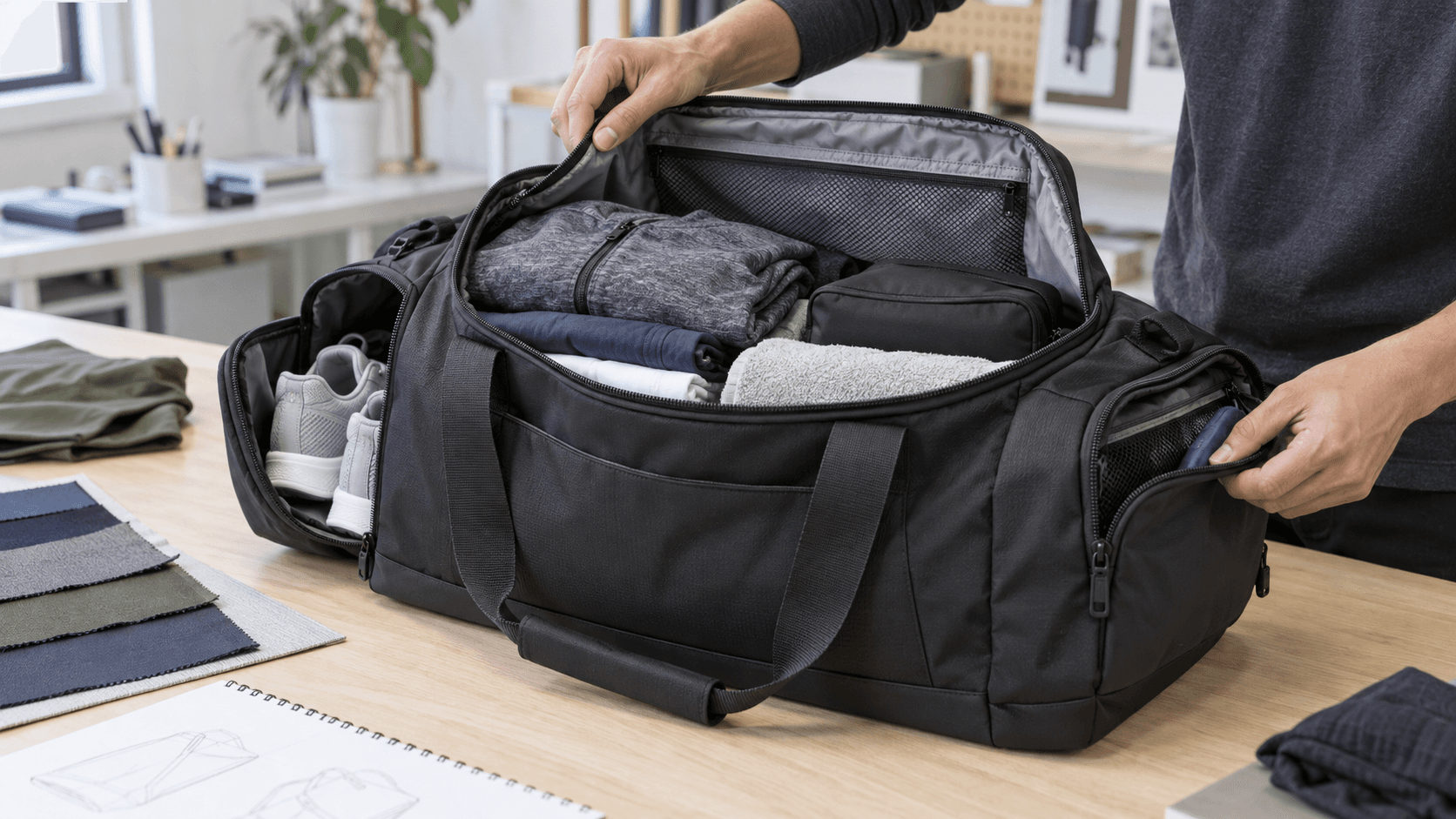
When choosing the material for a sports bag, the bag's function should be the primary consideration. Although team gear bags, gym change clothes bags, and equipment storage bags are all called sports bags, their requirements for accessing items, compartmentalization, structure, cleanliness, and portability are not entirely the same.
The truly useful question isn't "Which fabric is best?", but rather "Which material is best suited for this bag, these usage conditions, and this sample review?". This guide aims to help product and sourcing teams translate this question into a design brief, rather than treating a particular fabric name as a catch-all answer.
First, the content and processing route.
Before comparing materials, write down what will be in the bag. This includes essential items, shoes, wet or water-soaked items, detachable accessories, and any items that must be stored separately. Then describe how the user will open, carry, store, and clean the bag.
Your presentation should also answer the following questions:
- How often do users use each cubicle?
- Does the design require separating dry and wet items?
- Which parts come into contact with shoes, equipment, or rough surfaces?
- Is this bag carried by hand, on the shoulder, or by team members as they move between different locations?
- Which panels require a softer feel, a stronger sense of structure, or are easier to clean?
These answers give the discussion of the materials a clear objective. They also avoid using material names to represent the entire product specification.
Separate the materials in the bag.
Sports bags rarely use the same material for all components. Outer fabric, lining, pocket fabric, reinforcement materials, webbing, and hardware—each affects different aspects of the user experience.
| Luggage area | Decisions that need to be made | What should the sample show? |
|---|---|---|
| outer panel | What thickness, feel, surface finish, and structure should the panel have? | The panel is positioned correctly and fits perfectly with the seams, handles, and fasteners. |
| liner | What the contents will come into contact with, and how the interior should be cleaned or organized. | The lining remains in place and does not impede passage. |
| Pockets or mesh sections | Whether users need visibility, scalability, separation, or fast access | The pockets can hold the items you need without blocking the opening. |
| Base and local reinforcements | Which areas in the design require additional structure? | The bottom and high contact areas maintain their intended shape during normal handling. |
| Webbing and hardware interface | How are the straps, buckles, zippers, and handles attached to the panel? | The attachments were in the correct location and remained available throughout the opening process. |
This role-based classification is more useful than simply calling a fabric "sports bag fabric." Each component should be named in the drawings, bill of materials, or sample descriptions.
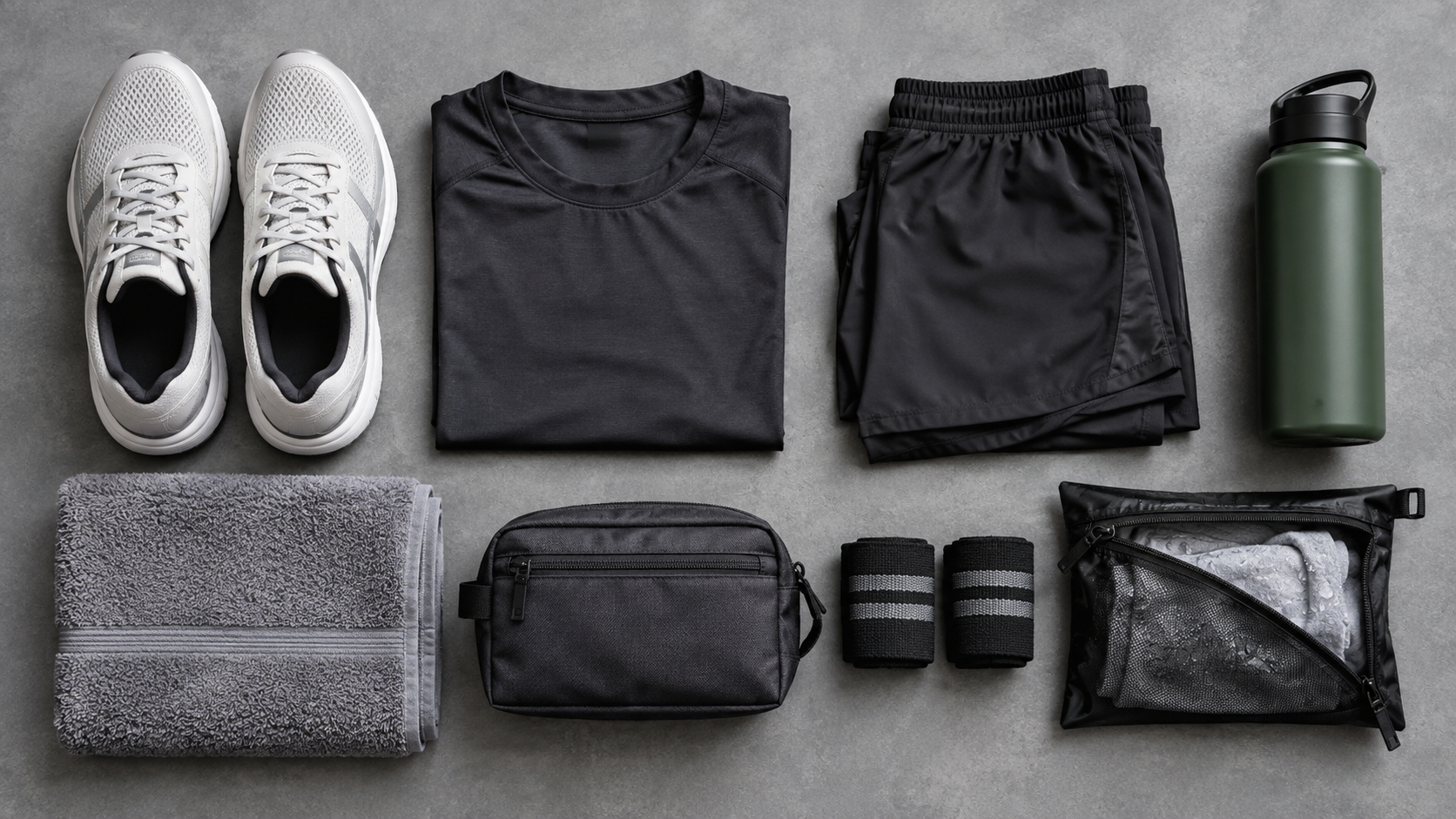
We start with fabric options, not rankings.
Pengtour has identified 600D, 900D, and 1680D Oxford cloth as potential fabrics for some of its custom functional bag projects. However, numbers alone cannot determine whether a fabric is suitable for a particular sports bag. Factors such as fiber, weave, weight, coating, feel, construction, lining, and the final bag pattern still need to be evaluated during the project.
For sports bags and briefcases, please compare the various options with actual usage scenarios:
- Surface and feel: Does the feel of the panel match the brand image and user habits?
- Structure: Is the material suitable for the intended shape, seams, hemming, and reinforcement?
- Contact and Cleaning: Which parts will come into contact with the panel or lining? What cleaning requirements need to be identified?
- Access method: Does the material support open, pocket, zipper and compartment layout?
- Supply and Customization: Are requirements for colors, coatings, logos, packaging, and other items available for review?
Potential applications for Oxford cloth include sports bags and equipment bags, depending on project requirements and material or structural assessments. This is only a glimpse into potential uses and does not guarantee that any particular fabric will meet all load, abrasion, water resistance, or service life targets.
The choice of materials should be compatible with the structure.
Materials and construction should be considered holistically. A fabric may feel comfortable on a large outer layer, but may require different treatments at shoe compartments, pocket openings, or shoulder strap connections. Depending on the project, material availability, surface finish, feel, and other requirements, coatings such as PU or PVC can be considered. However, these coatings do not automatically achieve a waterproof rating.
Please have your design team mark the following on the first drawing or sample:
- Materials allocated to each main panel and interior area.
- The location of seams, edging, piping, webbing, and hardware.
- The opening direction and entry order of each compartment.
- Areas where shoes, equipment, or wet items may come into contact with the bag.
- Parts that need reinforcement or a change in feel.
- Some projects require samples or supplier confirmation before finalization.
This record makes it easier to determine whether the problem lies in the materials, layout, or assembly method of the components.
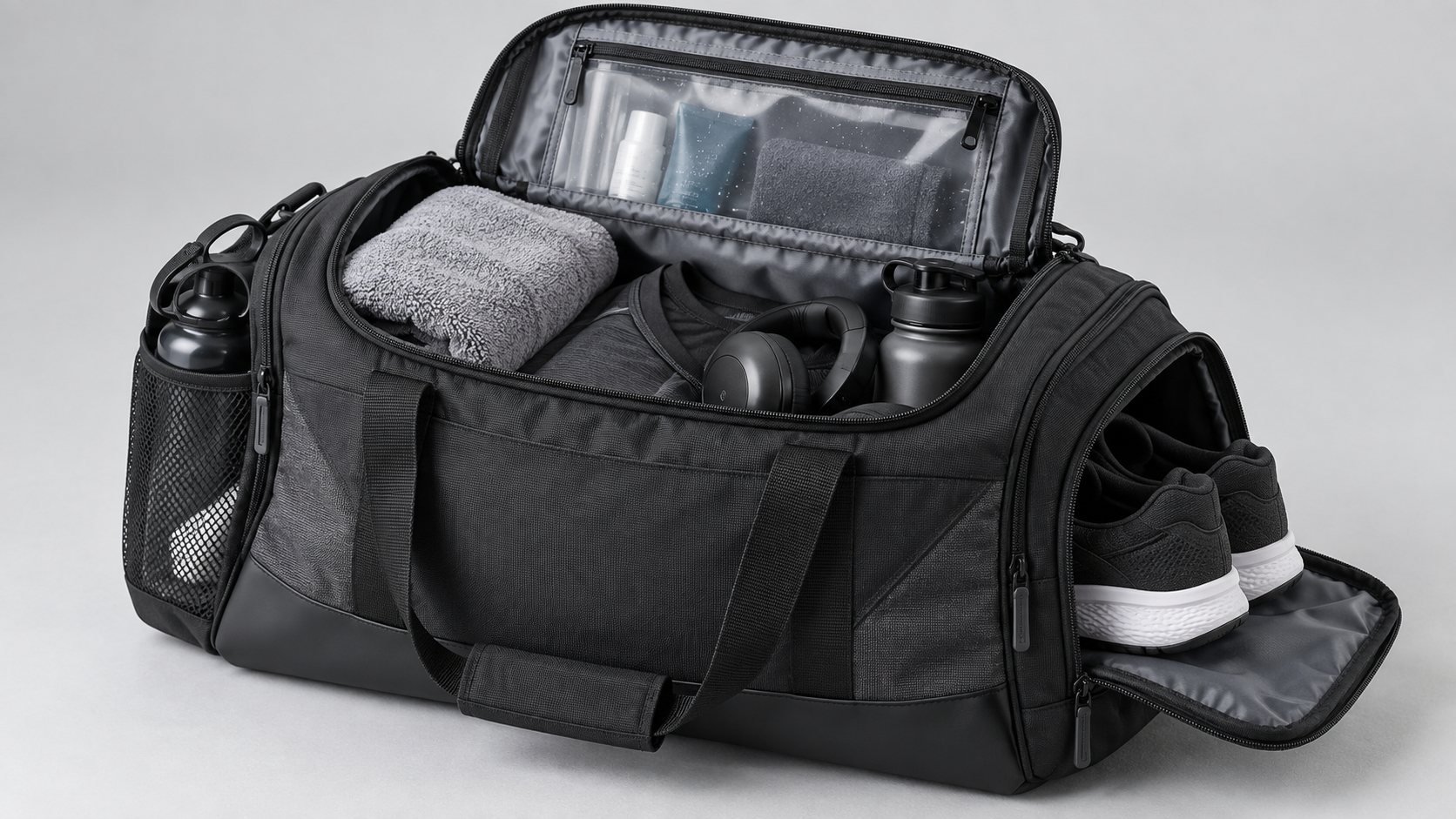
See the first example of user interaction.
Material selection should be tested during actual use, not just by examining samples. Samples should be tested according to standard packaging and handling procedures.
Check:
- Can the main items be placed in without having to force the door open?
- Are the wet and dry areas kept separated as expected?
- When carrying a bag, are the items in the pockets still easily accessible?
- Are the zippers, handles, and straps compatible with the selected panel?
- Are the seams, edges, and reinforcements located in the intended positions?
- Whether the feel and appearance meet accepted reference standards; and
- Which observations still need to be tested or confirmed for specific projects?
Record each item as Pass , Needs revision , or Needs verification . Sampling observations differ from laboratory test or certification results. For detailed instructions on how buyers should interpret fabric test results, please refer to "Fabric Abrasion Testing: How B2B Bag Buyers Should Interpret Results Before Sampling" .
What should a sports bag materials list include?
Provide suppliers with sufficient background information so they can comprehensively evaluate the materials and structure. A useful briefing may include:
- Product and accessory list;
- Routes used, methods of carrying, and frequency of access;
- The requirements for dry and wet separation or cleaning need to be confirmed;
- Overview of the functions of the outer layer, inner layer, pockets, and reinforcing layer;
- Refer to color charts, colors, surface finishes, or expected feel;
- Show a sketch or photograph of the pocket and compartment layout;
- Expected locations for logos, zippers, webbing, and hardware; and
- Sample checks and unresolved issues will determine the next revision.
Avoid requesting generic material recommendations unless the contents and usage conditions of the bag are clearly stated. A conditional selection document with clear sample verification is more likely to be approved than a fabric label that is incomplete but rich in information.
How Pengtour supports this project
Pengtour can develop and produce some sewn functional bag projects based on samples, photos, dimensions, structural specifications, or technical packages provided by buyers, but these projects are subject to material and structural review. For sports bags and gym bags, work discussions may cover material usage, compartment layout, access methods, branding, and first-piece sample inspection.
The specific material combination depends on the specific project. Material availability, color, coating, marking process, order quantity, sample modifications, testing requirements, price, and delivery time must all be confirmed for the specific project, and conclusions cannot be drawn based solely on the fabric name.
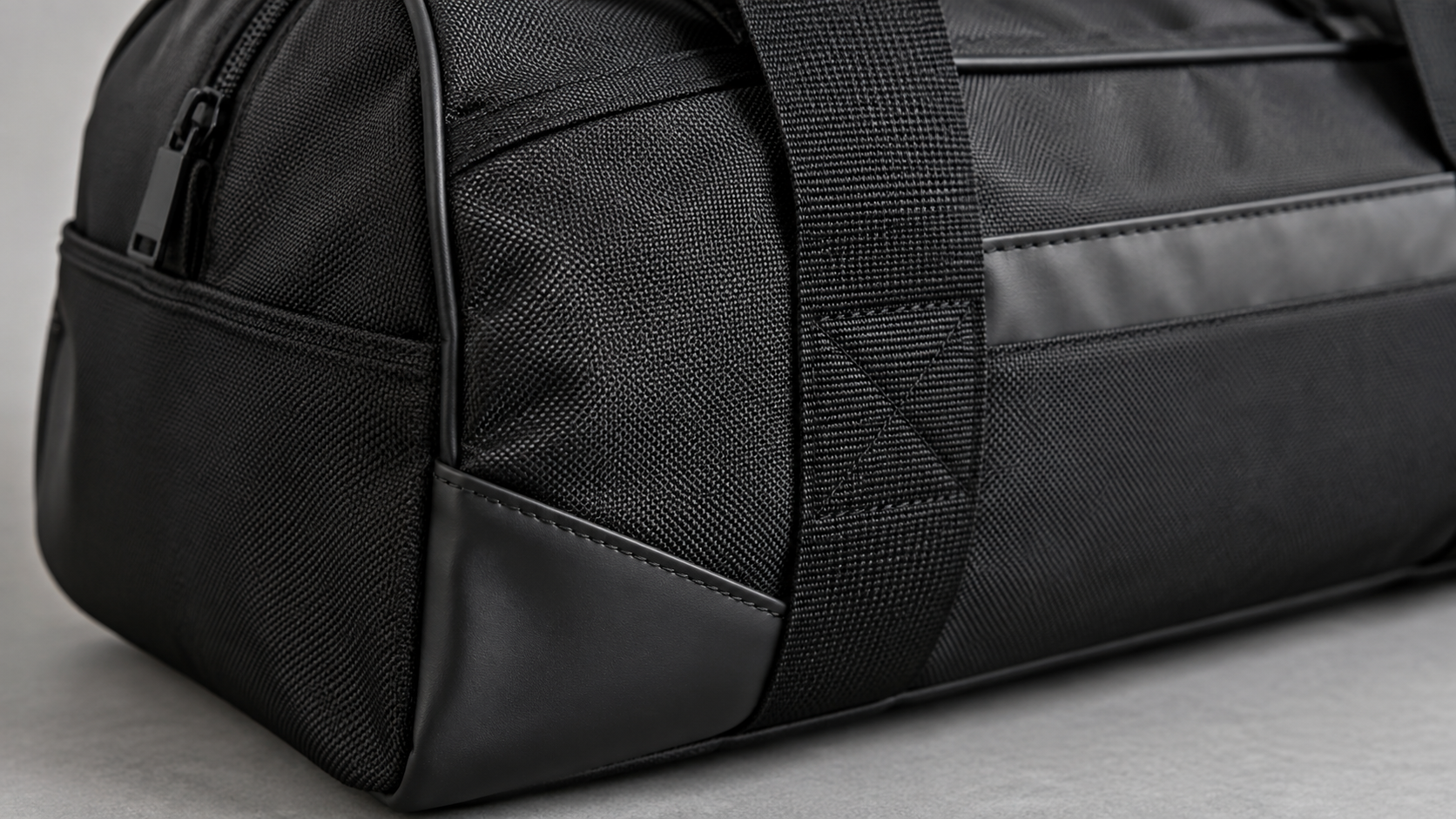
Frequently Asked Questions: Choosing the Right Material for Your Sports Bag
What's the best material for a gym bag?
No single material is a panacea. First, consider the contents, handling routes, compartment layout, contact environment, appearance, and sample inspection. Then, for each packaging area, identify suitable material candidates.
What kind of fabric should be used to make bags?
Narrow down your choices based on the intended use and structure. Determine whether the fabric will be used for an outer layer, lining, pockets, or reinforcement, and then compare the fabric to other structures on the sample.
Are there some fabrics that are always unsuitable?
A particular fabric may be unsuitable for a specific project due to its feel, construction, cleaning requirements, availability limitations, or interaction with design elements. However, this does not mean that all fabrics should be on a "forbidden" list. Please document the specific circumstances that make a fabric unsuitable and confirm this by comparing it with project samples.
What aspects should a buyer check before approving materials?
Examine the material's function, appearance, feel, location, handling method, seams, seals, accessories, and interaction with the contents. Separate sample observations from any formal testing or compliance requirements.