

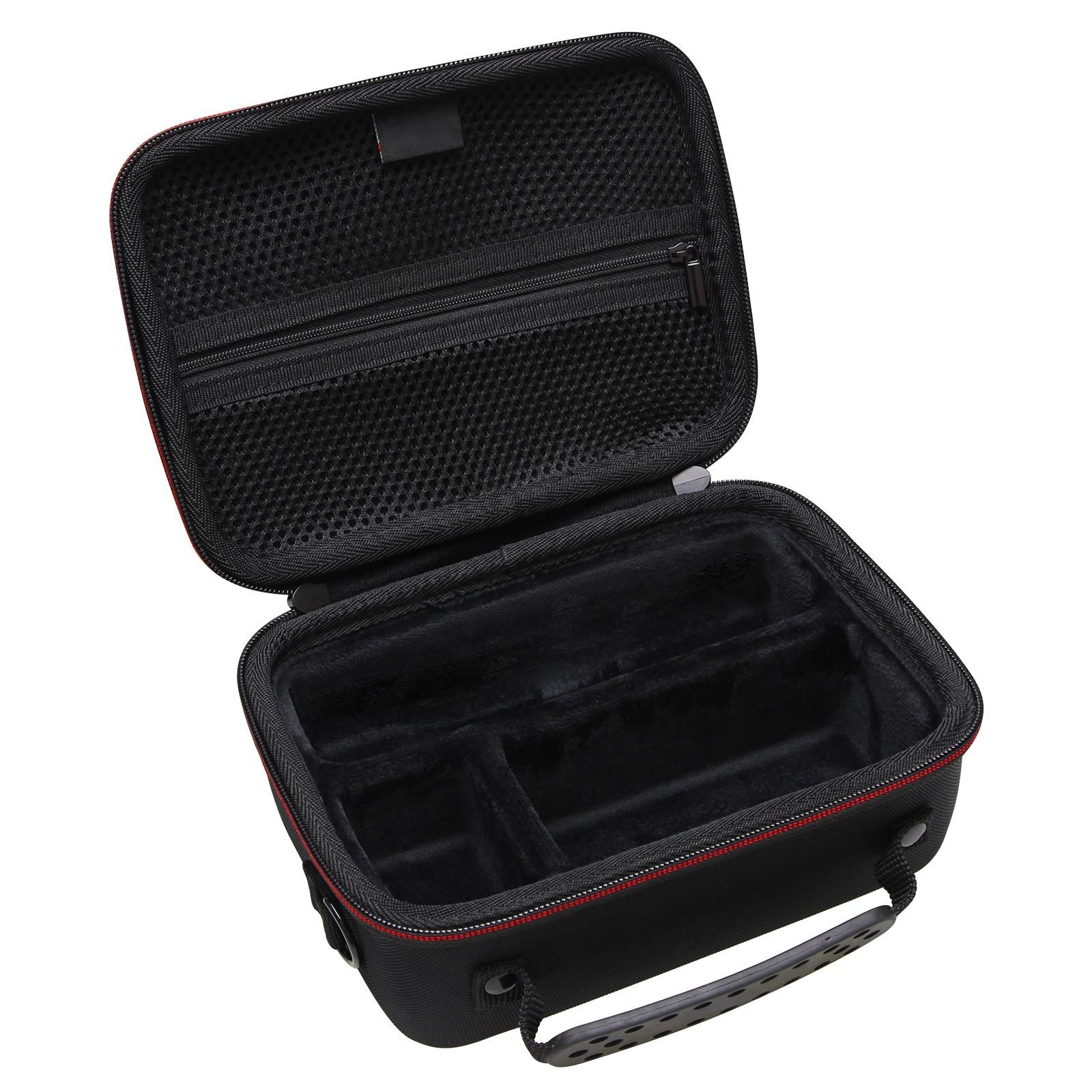
As global industries shift toward a more circular economy, the demand for sustainable packaging is no longer a luxury—it is a requirement. For brands that rely on the durability and shock-absorbing properties of EVA (Ethylene-Vinyl Acetate) cases, a common question arises: Can we be protective and eco-friendly at the same time?
The short answer is yes. Modern manufacturing has paved the way for several sustainable EVA alternatives. In this post, we’ll explore the green options currently available for your custom case projects.
1. Recycled EVA Foam (GRS Certified)
One of the most popular eco-friendly choices is Recycled EVA. This is typically made from post-industrial waste—excess material collected during the manufacturing process that would otherwise end up in a landfill.
-
How it works: Production scraps are collected, reground, and re-processed into new foam sheets.
-
The Benefit: It reduces the need for "virgin" petroleum-based raw materials.
-
Certification: Look for GRS (Global Recycled Standard) certified suppliers to ensure the authenticity of the recycled content.
2. Bio-Based EVA Foam
Bio-based EVA is an innovative alternative where a portion of the traditional petroleum-based resin is replaced with renewable organic sources, such as sugarcane or corn starch.
-
Carbon Footprint: Sugarcane captures from the atmosphere during its growth, making the final foam carbon-negative or carbon-neutral in many cases.
-
Performance: Bio-EVA maintains the same density, flexibility, and recovery properties as standard EVA, meaning you don't have to sacrifice quality for sustainability.
3. Biodegradable Additives
Some manufacturers now offer EVA foam infused with organic additives that accelerate the degradation process in landfill conditions. While standard EVA can take hundreds of years to break down, these additives allow microbes to consume the plastic at a much faster rate once discarded.
4. Sustainable Outer Fabrics & Linings
An EVA case isn't just foam. To make a truly "green" case, you can pair your eco-friendly foam with sustainable exterior materials:
-
RPET (Recycled Polyethylene Terephthalate): Fabric made from recycled plastic bottles.
-
Organic Cotton or Hemp: For a natural aesthetic and biodegradable outer layer.
-
Water-Based Glues: Reducing Volatile Organic Compounds (VOCs) during the lamination process.
Why Switch to Eco-Friendly EVA?
-
Brand Loyalty: 75% of modern consumers are more likely to purchase from brands with sustainable packaging.
-
Regulatory Compliance: New environmental laws (especially in the EU and North America) are increasingly penalizing single-use plastics and non-recyclable waste.
-
Future-Proofing: Moving to recycled or bio-based materials now prepares your supply chain for the mandatory sustainability standards of the future.
Conclusion
Eco-friendly EVA is no longer a concept—it is a reality. Whether you choose Recycled EVA to minimize waste or Bio-based foam to reduce your carbon footprint, there is a solution that fits your brand’s environmental goals.