

Introduction
When it comes to protecting your valuable camera equipment, choosing the right case is essential. EVA (Ethylene Vinyl Acetate) camera cases have become the go-to choice for photographers, videographers, and hobbyists alike. Their lightweight, durable, and shock-absorbing properties provide excellent protection on the go without compromising portability.
In this comprehensive guide, we will dive deep into everything you need to know about EVA camera cases—why they stand out, key features, how to choose the right one, and maintenance tips.
1. What is an EVA Camera Case?
EVA stands for Ethylene Vinyl Acetate, a high-quality foam material commonly used in protective gear. EVA camera cases incorporate this foam — either internally, externally, or both — within a hard or semi-hard shell, combining rigidity with shock absorption.
Benefits of EVA Cases for Cameras:
- Excellent impact resistance from drops and bumps
- Water-resistant exterior materials (Oxford cloth, PU leather, etc.)
- Lightweight yet durable construction
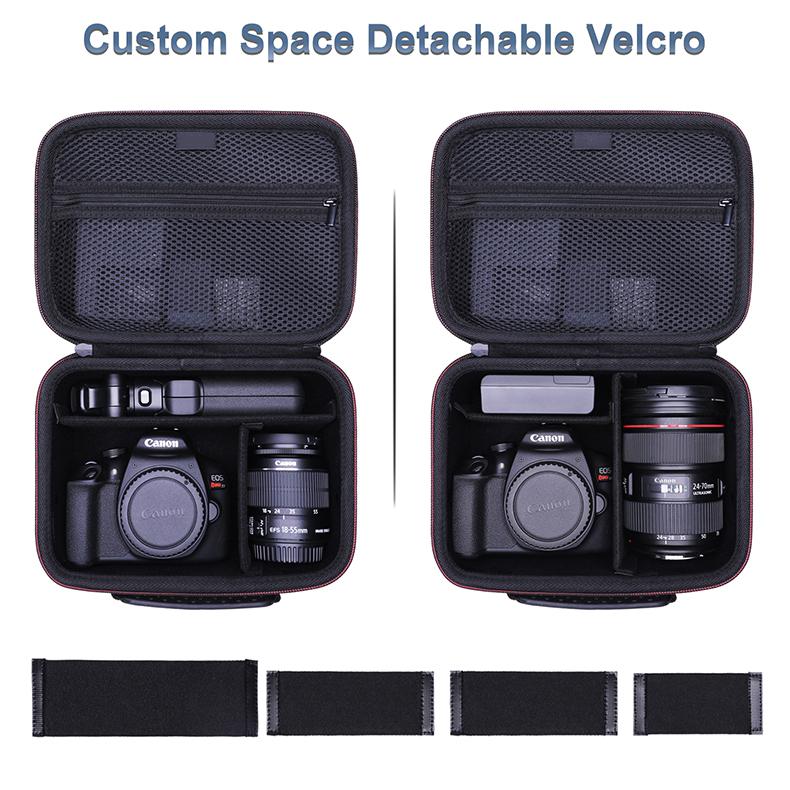
- Customizable interiors with foam inserts for snug gear fit
- Stylish, professional look ideal for all user levels
2. Key Features to Look for in an EVA Camera Case
- Material Quality: Look for EVA with a robust outer layer such as Oxford polyester or PU leather for abrasion resistance and water repellency.
- Interior Customization: Adjustable foam inserts or pre-cut compartments help secure your camera bodies, lenses, and accessories in place.
- Size & Portability: Choose a case that comfortably fits your gear while being easy to carry — some include shoulder straps or backpack compatibility.
- Closure Type: Zippers with water-resistant seals and sturdy pulls boost durability and weather protection.
- Additional Pockets: External or internal storage for SD cards, batteries, chargers, and cables enhances convenience.
3. Popular Types of EVA Camera Cases
- Hard Shell EVA Cases: Offer maximum protection, ideal for frequent travelers and outdoor use.
- Softshell EVA Cases: More flexible and lightweight for light daily use or compact camera setups.
- Custom EVA Cases: Tailored for professional equipment with precisely cut foam for added security.
4. How to Choose the Right EVA Camera Case for Your Needs
- Assess Your Camera Gear: Count your camera bodies, lenses, and accessories to determine the required interior capacity.
- Consider Your Usage Scenarios: Are you traveling often, shooting outdoors, or only commuting locally?
- Prioritize Protection vs. Weight: For high-impact situations, opt for thicker EVA shells; for portability, lighter foam cases suffice.
- Evaluate Additional Features: Waterproofing, extra compartments, and carrying options can make a difference.
5. Maintenance & Care Tips for EVA Camera Cases
- Clean the outer surface with a damp cloth and mild soap; avoid harsh chemicals.
- Regularly dust off the foam inserts and check for wear or damage.
- Store the case in a dry, ventilated place away from extreme temperatures.
- Inspect zippers and closures periodically to ensure smooth operation.
FAQ: Frequently Asked Questions about EVA Camera Cases
Q1: Are EVA camera cases waterproof?
A1: While EVA material itself is water-resistant, most cases combine EVA foam with water-repellent fabrics (like Oxford cloth or PU leather). They provide good splash resistance but are not completely waterproof. For heavy rain, consider additional rain covers.
Q2: Can I customize the interior of my EVA camera case?
A2: Many EVA camera cases come with pre-cut foam inserts or customizable foam layers that you can shape to fit your specific gear securely.
For a broader explanation of protective cavities and insert planning, see EVA case foam insert design.
Q3: How heavy are EVA camera cases?
A3: EVA cases are generally lightweight compared to hard plastic or metal cases. Final weight depends on size and outer material but they are designed for easy portability.
Q4: Are EVA cases durable enough for professional use?
A4: Yes! EVA cases are widely used by professionals due to their excellent shock-absorbing qualities, abrasion resistance, and customizable interiors that protect expensive camera equipment.
Q5: Can EVA camera cases be used for drones or other electronics?
A5: Absolutely. The shock protection and versatility of EVA cases make them ideal for safely storing and transporting drones, VR headsets, small gadgets, and more.
For a camera case project with specific equipment dimensions, use our request a camera case quote page to share the camera body, lenses, accessories, and target quantity.