

A fabric abrasion test result can be useful, but it is not a finished-bag approval. Before a custom bag moves to sampling, a buyer needs to know what material was tested, which method was used, how the specimen was prepared, and where the finished bag will actually see rubbing or wear.
This guide is for buyers reviewing material information for a custom sewn-bag project. It explains how to use an abrasion result as one project input, what to ask for when comparing data, and what to record during a first-sample review. It does not provide a universal pass score or predict the service life of a bag.
What an abrasion test can and cannot answer for a bag project
An abrasion test evaluates how a textile specimen responds to rubbing under stated test conditions. ASTM D4966 is one public example of a Martindale method for textile fabrics. Its public overview also notes that laboratory abrasion results are affected by test conditions and are only one factor in real-world wear.
For a bag project, the useful question is not simply whether a result is high or low. Ask whether the reported test describes the material, construction, and use case you are considering.
A result may help you compare candidates when the underlying information is clear. It cannot by itself prove that a finished bag will last for a particular period, carry a particular load, meet a certification, or suit every contact surface on the product.
Start with the bag's real contact zones and use conditions
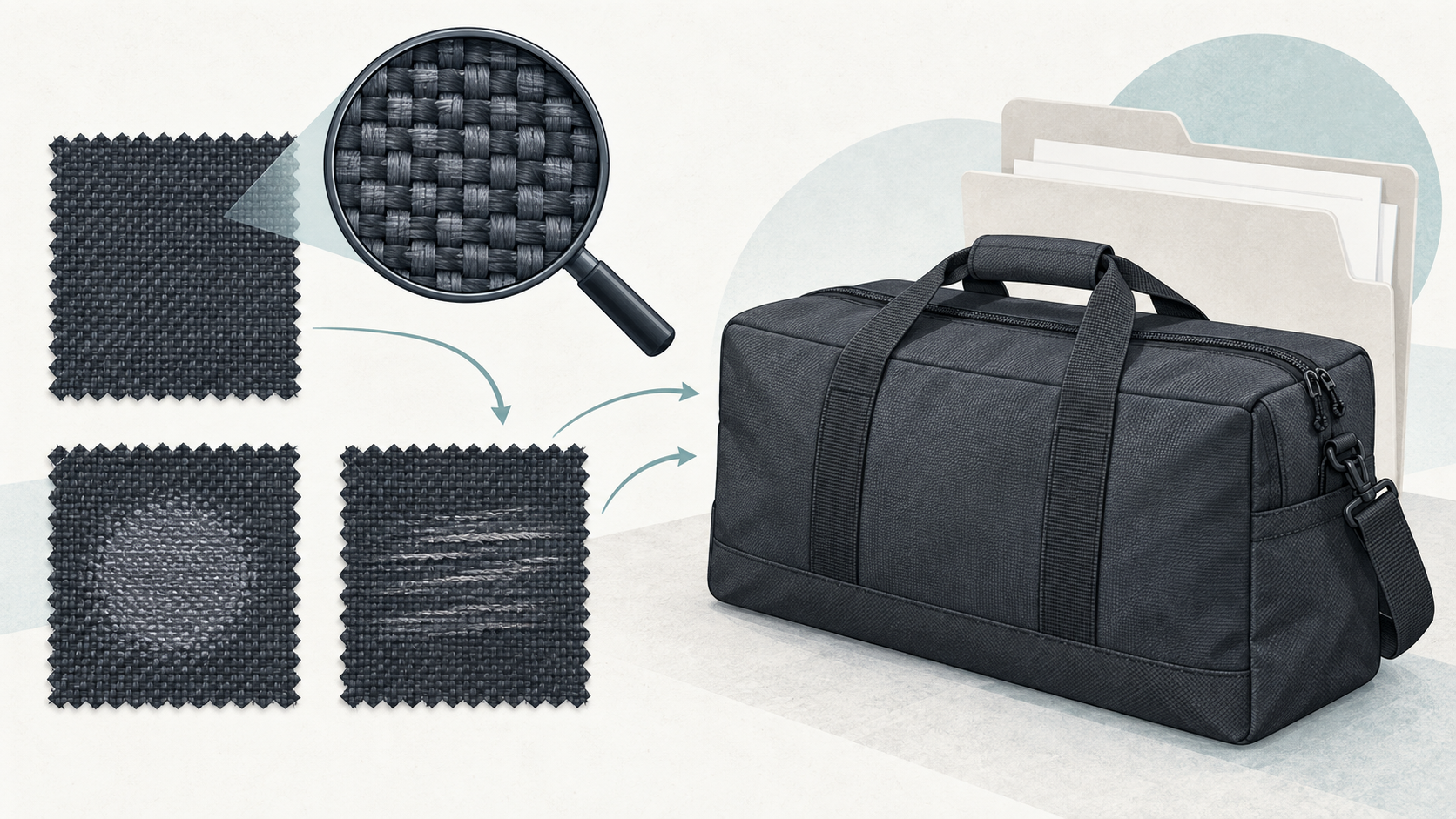
Before requesting test information, describe where the bag is likely to rub in use. The answer differs for a tool bag carried through a work area, a travel organizer placed in luggage, and a promotional bag handled at events.
Use the project brief to identify the areas that need attention:
- outer panels that contact floors, shelves, vehicle interiors, or other equipment;
- corners, seams, handles, or strap attachment areas that see repeated handling;
- pocket openings or divider edges that contact the stored item;
- surfaces exposed to a particular cleaning routine, texture, or handling pattern.
This list does not set a test requirement. It gives the project team a shared description of the use conditions that material information should address.
When two abrasion results can and cannot be compared
Two results are more useful together when their context is comparable. Start by checking whether the records identify the same or a relevant method, the specimen or material construction, and the conditions used for the test.
For each result, ask for:
| Check | Why it matters to a bag project |
|---|---|
| Test method named in the report | Different methods may not produce directly comparable results. |
| Material identity and construction | A material name alone does not describe the exact fabric, backing, coating, finish, or assembly being considered. |
| Specimen and test conditions | The reported result needs the conditions that produced it. |
| Evaluation record | Ask what was observed or measured, rather than assuming every report uses the same endpoint. |
| Intended bag use | The material decision still needs to fit the actual contact zones and handling pattern. |
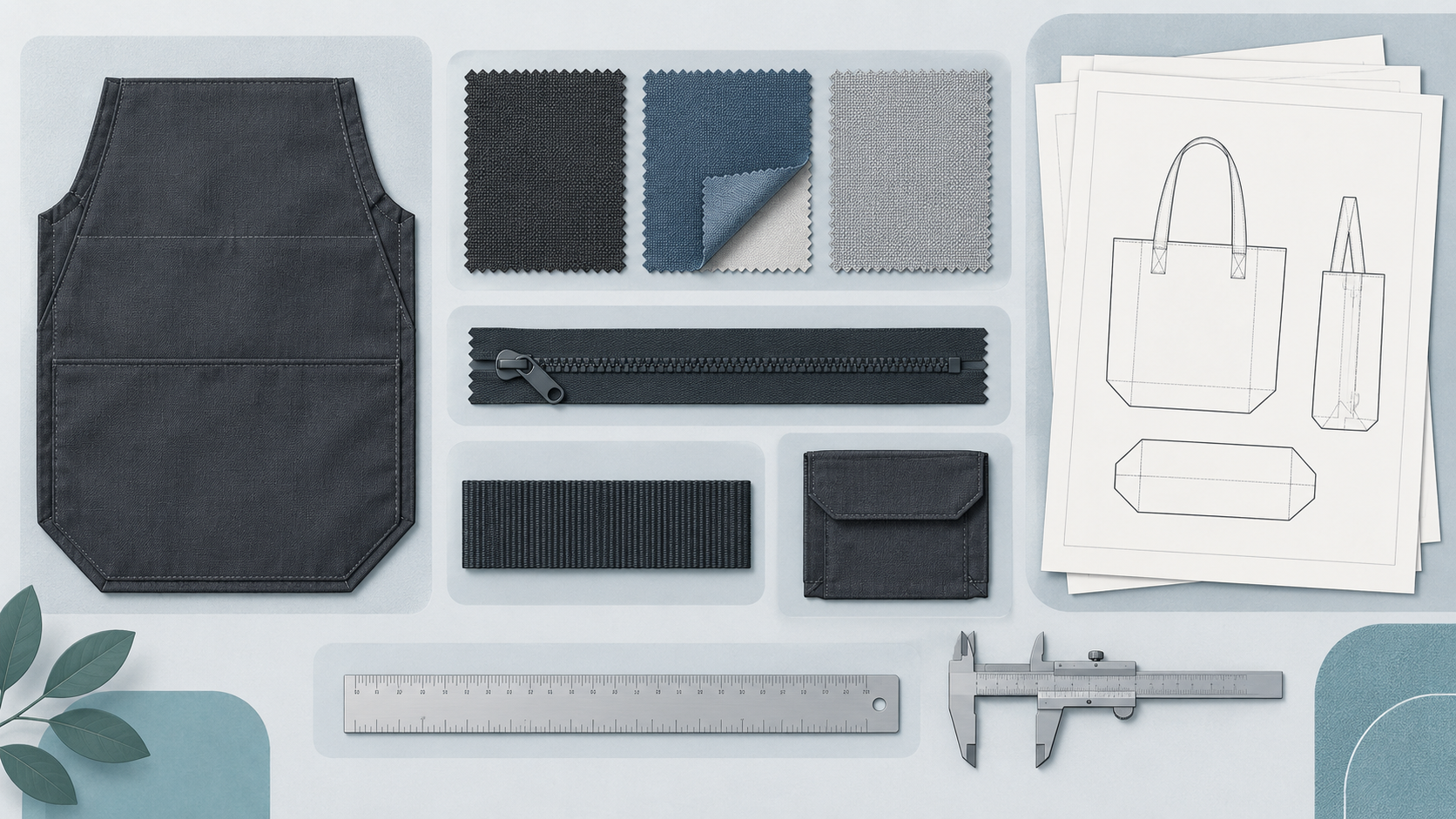
ASTM's public D4966 overview specifically cautions that laboratory abrasion data should be read with the test conditions in mind and that the relationship to actual wear depends on the end use. Use that as a reason to ask better comparison questions, not as a claim that one test method is mandatory for every project.
What to request before sampling
Before a first sample is approved, put the material questions in writing. A short request can prevent a test result, a material swatch, and a bag specification from being discussed as though they were the same thing.
Ask the party providing the material information to confirm:
- The exact material proposed for the sample, including any relevant construction or finish details.
- Any available abrasion-test information and the method or conditions identified with it.
- Which bag panels or components the information is intended to support.
- What remains unverified for the intended use.
- How the first sample will be reviewed against the agreed material reference and project brief.

This is a project checklist, not a universal supplier qualification form. A project may need more detail when the contents, contact surfaces, handling pattern, or target market add further requirements.
How to record a first-sample review
A first-sample review is a practical check of the proposed construction. It is not a substitute for a laboratory abrasion test.
Keep a single review record that separates the material reference from the observation of the assembled bag. It can include:
- the approved or proposed material reference;
- the bag panels and contact zones reviewed;
- the stored product, accessories, and access sequence used during the check;
- visible concerns, differences from the brief, or items that still need verification;
- the next action and the person responsible for confirming it.
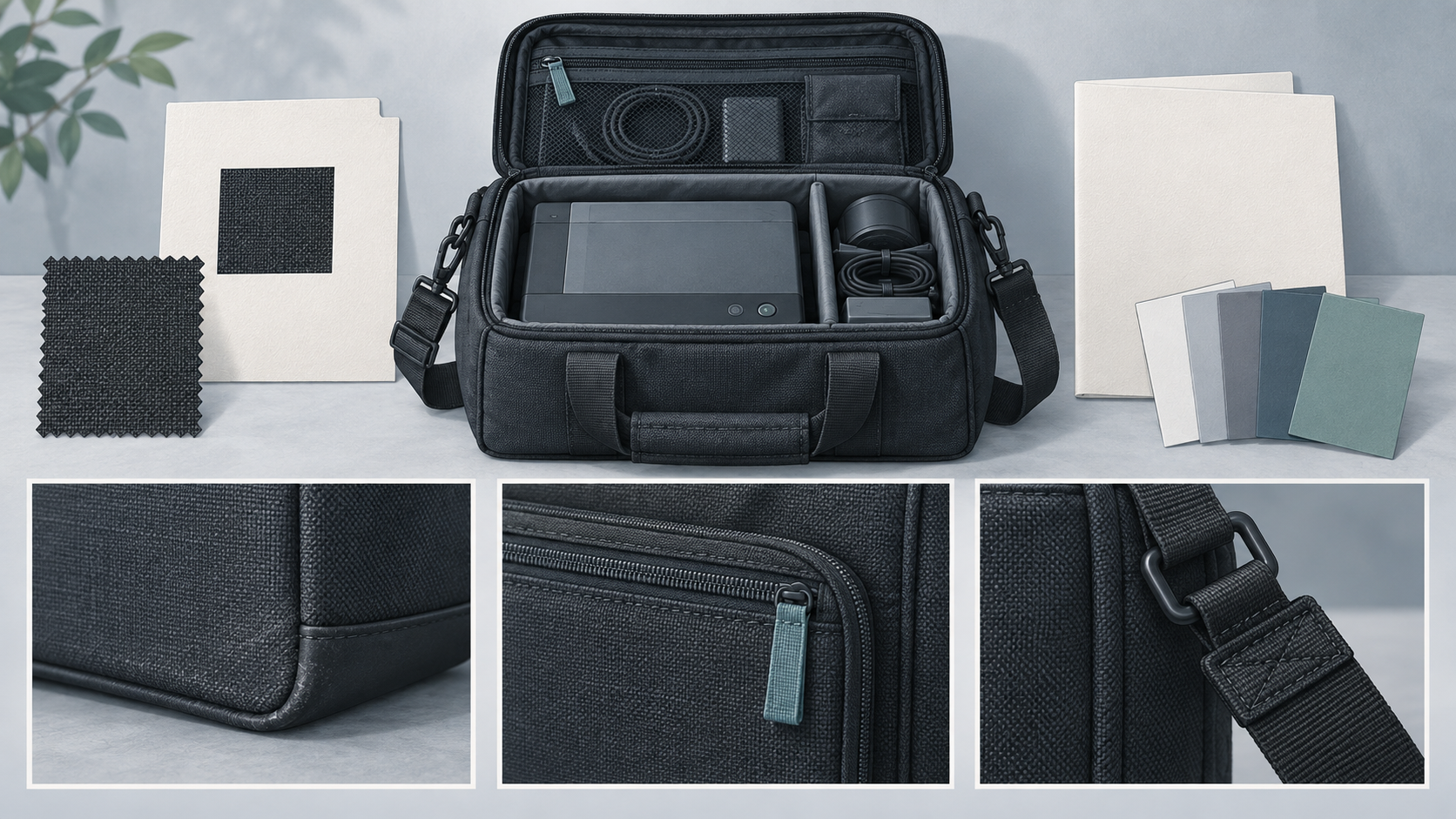
For Pengtour custom bag and case projects, material selection, internal layout, closures, carrying elements, and sample-review requirements can be discussed as project inputs. The final material and inspection scope should be confirmed against the approved sample and the project's actual requirements.
Denier and abrasion evidence answer different questions
Denier is part of a broader material-selection discussion. It does not replace an abrasion result, and an abrasion result does not replace a decision about material construction, bag layout, or intended use.
For the wider selection context, read Demystifying Fabric Denier and Durability in Custom EVA Cases. This article focuses on the narrower task of reading test information before sampling.
How Pengtour can support a project-specific material and sample review
Pengtour can review project inputs for eligible custom sewn-bag and EVA-case work, including the intended contents, material direction, internal organization, access needs, and sample-review questions. The suitable material and inspection points depend on the product structure, use conditions, approved sample, and confirmed project requirements.
If you are preparing a bag project and need to organize material or sample-review inputs, contact Pengtour with the product details, intended use, accessory list, and any available material reference or test information.
FAQ
What should I ask for with an abrasion-test result?
Ask for the named method, the material or specimen information, the stated test conditions, the evaluation record, and the intended application. These details help you decide whether the result is relevant to the bag project.
Does a higher abrasion result always mean a better bag fabric?
No single result selects a fabric by itself. The material still needs to suit the bag's construction, contact zones, contents, handling pattern, appearance, and other confirmed project requirements. A small difference in laboratory data should not be treated as an automatic prediction of actual bag life.
Is a first-sample review the same as an abrasion test?
No. A first-sample review checks the assembled bag against the agreed project inputs. An abrasion test is laboratory information about a material under stated conditions. Both may inform a material decision, but they answer different questions.