

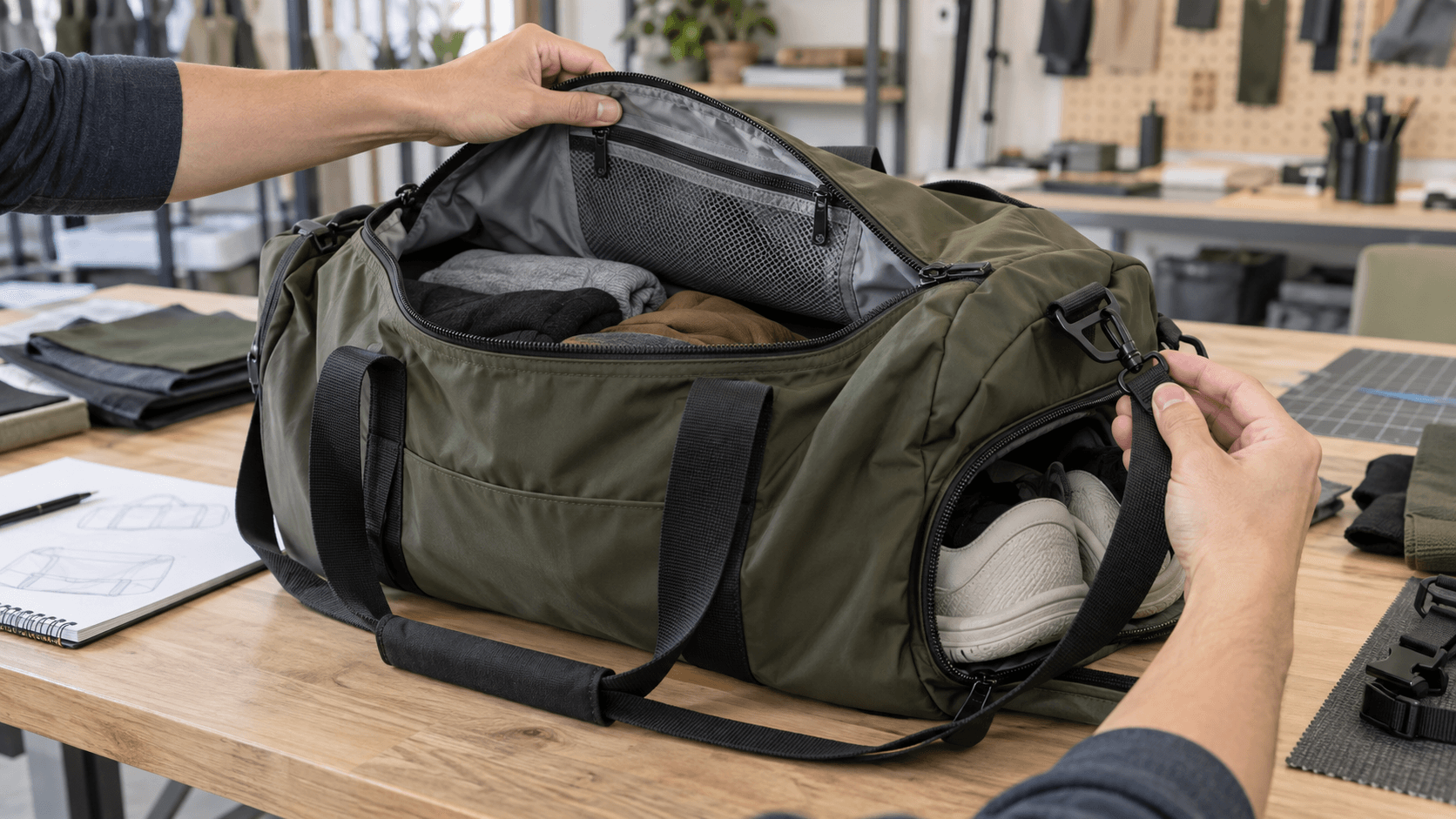
Bag design concepts typically begin with a reference photograph, a sketch, or a brief list of features. This is enough to start a discussion, but not enough to finalize the project. Before reviewing the first custom-sewn bag sample, buyers need a way to differentiate between confirmed options and items that still require viewing, experiencing, or further confirmation.
A Bill of Materials (BOM) is a structured list of materials, components, and parts required to manufacture a product. This narrow definition is particularly useful for luggage projects because it ensures that every component has a place in the discussion. It is not used to approve production, set specifications, or replace complete technical documentation. The Oracle NetSuite BOM definition here refers only to the general meaning described above.
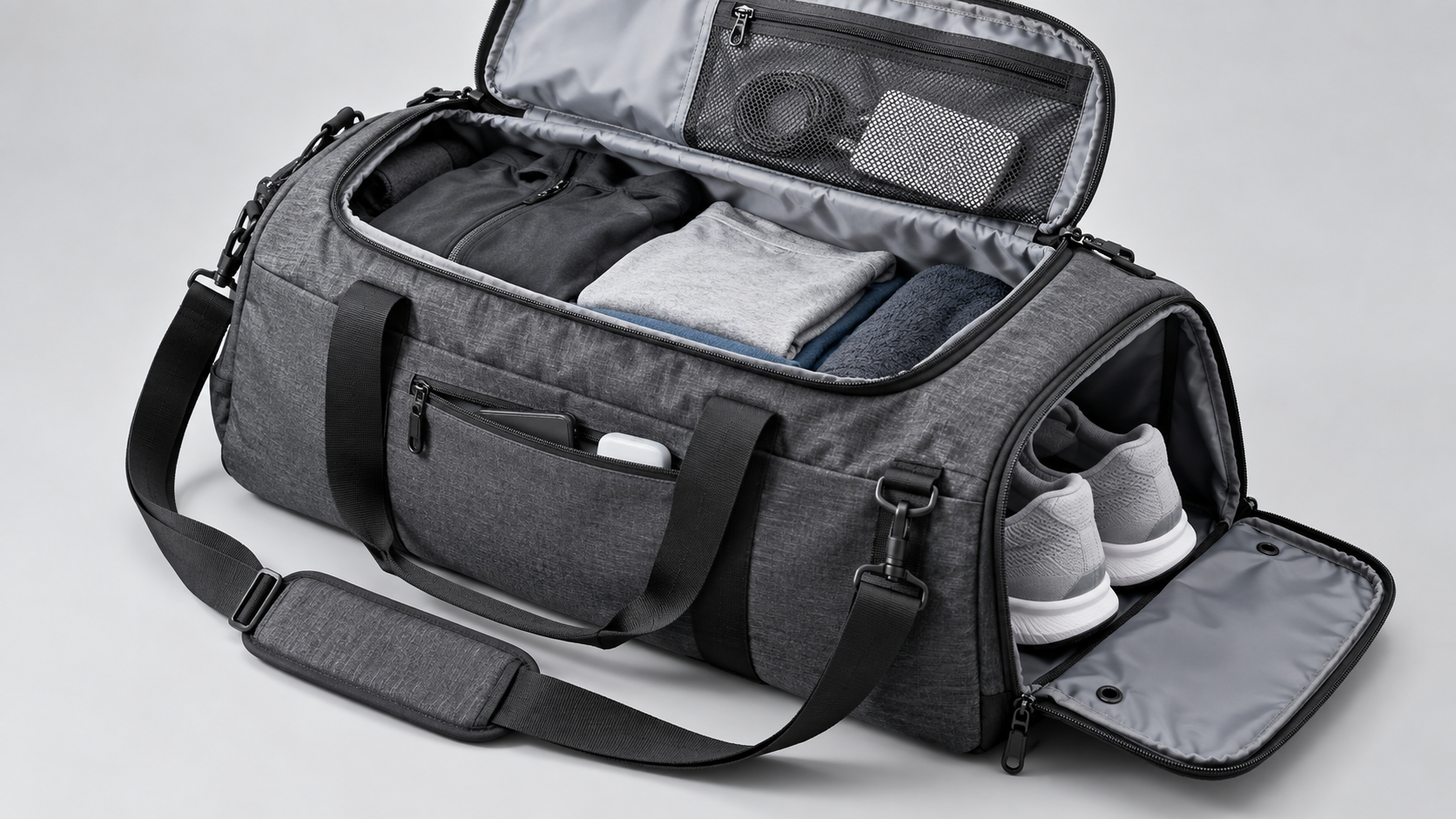
The role of the bag material list in customized projects
A Bill of Materials (BOM) consolidates disparate project inputs into a traceable record. Purchasing personnel can use it to identify the outer materials, linings, closures, handles, hardware, branding elements, internal structure, and packaging materials applicable to a specific bag.
Distinguishing between documented components and approved components is crucial. A Bill of Materials (BOM) may indicate that a particular zipper is being considered and point to the corresponding reference material. However, this does not prove that the zipper is available, suitable, tested, or approved for use in the final project. The same applies to fabric names, handle photographs, or packaging references.
For each item, buyers need sufficient background information to make a clear next step. Providing only material information without specifying its location on the bag, or only providing labeling requirements without indicating the target area, will create ambiguity. The documentation should clearly present this uncertainty, rather than hiding it behind a long list of names.
Separate project briefings, bills of materials, technology packages, and sample approval documents.
These project documents have some overlap in content, but they answer different questions.
| Project Documentation | The question it answers | It shouldn't be asked to do anything. |
|---|---|---|
| Design Overview | What is this package used for? Who will use it? How should it work? | It does not require solving the problems of each component. |
| Bill of Materials | What materials and components are being discussed? What is the current status of each material and component? | This is not a complete technical specification or production approval document. |
| Technology package | How can we record the agreed-upon design and construction inputs in a unified manner? | It should not obscure unresolved component decisions. |
| Sample Approval Checklist | Can the physical samples meet the project requirements and be reviewed? | It cannot replace previous records about why a certain component was chosen or retained. |
This process is very practical. The project briefing gives the project clear objectives. The Bill of Materials (BOM) provides traceable locations for each component. The technical package summarizes more comprehensive technical specifications. Sample review verifies actual results based on the input data agreed upon at this stage.
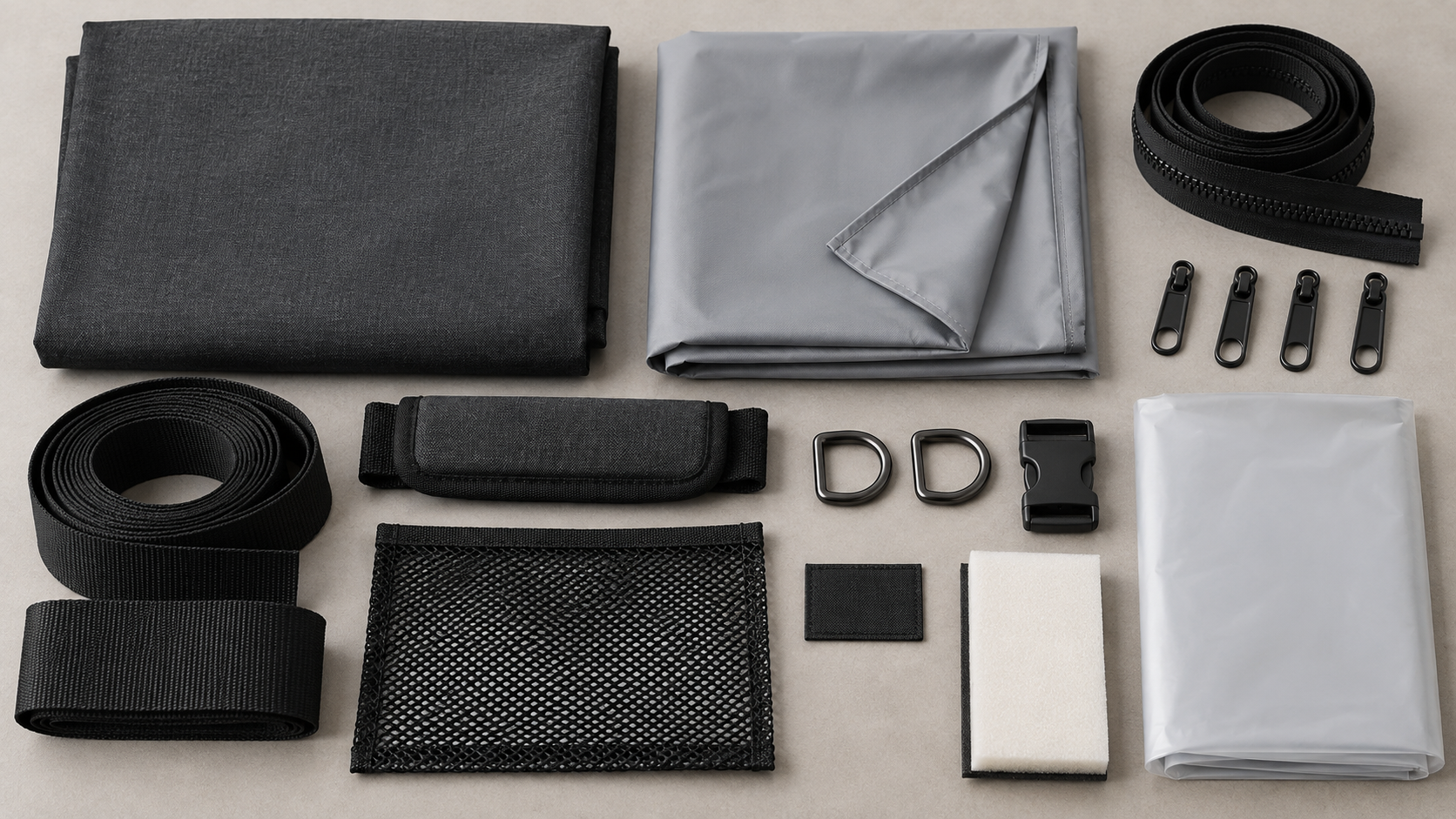
Start by changing the components of the project.
Don't try to create a generic list right away. Start with the parts that will change how the bag is used, opened, carried, identified, or packed.
For one project, this might mean the bag's outer surface, lining, internal compartments, closure, webbing, handles, hardware, labels, logo placement, and packaging. For another project, some of these categories might not apply, while internal padding or specific pockets become crucial. Our goal is to identify the components that require decisions, rather than adopting the same format for every bag.
Record reference information, roles, and current decision status.
A concise project matrix keeps the discussion practical without having to be a forced template.
| Component area | What to record | Current status | Next review point |
|---|---|---|---|
| External or surface area | The reference points for the markings, suggested locations, and the functions that the surface needs to achieve in the product concept. | Confirmed, requires sample review, or unknown | Compare the sample with the label's reference value and intended use. |
| internal area | Content, access order, lining or separator references, and any compatibility issues. | Confirmed, requires sample review, or unknown | Check access permissions and placement to ensure they match the expected content. |
| Opening and moving parts | The bag's buckles, handles, shoulder straps, webbing or hardware and the surrounding area | Confirmed, requires sample review, or unknown | Review location, operation, and interaction with nearby functions. |
| Brand and packaging investment | Applicable logo or label placement, design references, and packaging requirements for this project. | Confirmed, requires sample review, or unknown | Verify the agreed-upon item inputs on the relevant samples or review items. |
These labels are designed to be simple. "Confirmed" indicates that the project has reached a consensus and can proceed. "Sample Review Required" indicates that the buyer wishes to compare the selected solution with a physical sample. "Unknown" indicates that the requirements have not yet been determined. These labels do not represent quality levels, test results, or production commitments.
Ensure that the selection of materials and components matches the actual bag.
The material name itself doesn't determine everything. The same goes for the names of zippers, webbing, foam, or hardware. Buyers still need to specify where the component will be installed, the contact surfaces, its relationship to the product content, and at what stage of the user's workflow it is crucial.
For example, it's more practical to associate internal material labels with the items inside the bag, how to access them, and internal components that must remain visible or separated. Closure labels should indicate the opening path and nearby pockets or compartments. Handle labels should indicate the intended carrying method and which part of the bag the handle connects to.
This approach avoids a common mistake: treating component names as proof of the finished package's performance. Material selection, structure, dimensions, peripheral components, and project requirements all need to be considered holistically. If these details are not yet finalized, keep the bill of materials entries open for future review.
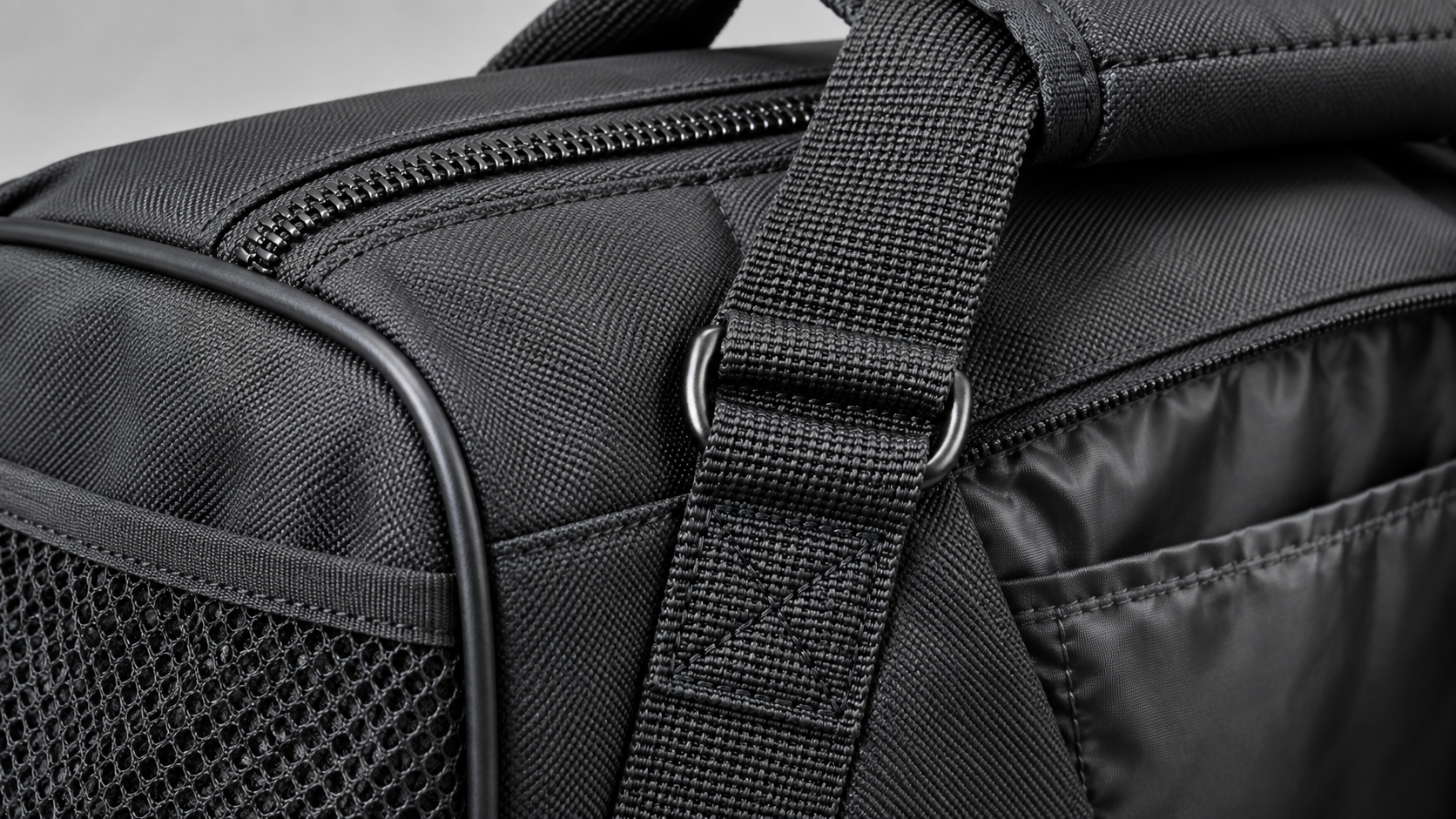
Transform outstanding issues into initial sampling inspections
It's useful when unresolved bill of materials entries evolve into specific problems for the first sample. Instead of writing "to be confirmed later," describe what needs to be observed and compared.
Examples of project-related review questions include:
- Does this component appear in the location marked in the project reference?
- Can the layout and access of the expected content be placed as described in the briefing?
- Does the location of the opening, pocket, divider, handle, or sign conflict with nearby components?
- Is the reference item still the correct point of comparison? Or does the sample reveal a problem that must be documented before the next decision?
These are review questions, not general acceptance criteria. The specific checks depend on the bag, component, and project requirements. When the project is ready to review the entire sample, please use a more comprehensive custom bag sample approval checklist .
Review the Bill of Materials (BOM) before it becomes part of the broader technology package.
Before merging the Bill of Materials (BOM) into a more detailed document, check for any omissions that could cause confusion later. Each item should clearly indicate which part of the bag is being discussed, the supporting references, what has been confirmed, and what still needs to be verified.
This review does not require every project to be finalized. It requires the team to distinguish between pending options and missing documentation. When changes are made, update the reference information and decision status, rather than leaving old assumptions in the documentation. Once the project inputs are sufficiently stable to proceed to the next stage of refinement, include them in the technology package along with other information.
How Pengtour supports project input review
For eligible sewn bags and EVA storage box projects, Pengtu can assess the various inputs required for the project, such as size, structure, materials, color, logo, zippers, handles, shoulder straps, pockets, compartments, hardware, packaging, and sample requirements. The specific solutions available for a project will depend on the product range and details that need to be confirmed.
A project may go through processes such as requirements review, material selection, structural assessment, sample making, production preparation, manufacturing, inspection, packaging, and shipping. The specific path will vary depending on the product structure, materials, tooling, quantity, and customer requirements. The purpose of the Bill of Materials (BOM) is to provide a clear record for subsequent discussions, clarifying what has been determined and what needs to be reviewed again.
Once the project materials are ready, please submit them to Pengtour for a project-specific review. The application materials should include the required bag model, existing reference materials, and any issues that still need clarification.
Frequently Asked Questions: Questions Buyers Often Ask
Are BOM and Tech Pack the same thing?
No. A Bill of Materials (BOM) documents the materials, components, and parts under discussion. A Technical Package is a broader project document that may contain dimensions, construction instructions, brands, packaging, and other approved details. A BOM can serve as part of that broader document without replacing it.
Can the buyer create a bill of materials based on a reference sample or photograph?
Yes, reference samples or marked photographs can provide a useful starting point for component documentation. However, they may not answer all questions in complex projects. Dimensions, drawings, 3D files, attachment information, or physical samples may still be needed when evaluating the context of relevant components.
What items should remain open until the sample review is completed?
Keep the project open until any components, materials, locations, compatibility, or interaction points are finalized. The best approach is to document known information, applicable references, and what the sample must demonstrate before making further decisions.
Make the next decision clear
A practical Bill of Materials (BOM) for bags doesn't attempt to predict every production detail. Its purpose is to clearly document the project, enabling purchasing personnel and the project team to understand the meaning of each component, agreed-upon aspects, and what requires sample review. This allows the BOM to support a more comprehensive technical package and more targeted sample approval discussions.