

Choosing bag lining materials starts with the bag's job, not with a fabric name. A lining that makes sense for a small organizer may create the wrong sample questions for a larger carry bag with dividers, pockets, or frequently handled contents. Before asking for a material recommendation, a buyer should describe what goes inside the bag, how the bag will be used, what parts need to be organized, and what the first sample needs to show.
For a custom bag project, the lining is one part of a wider brief. The outer construction, contents, interior layout, access sequence, appearance, and sample-review method all affect the decision. The aim is to give the project team a clear basis for comparing options, rather than treating one material as the right answer for every bag.
Start With the Bag's Job Before Comparing Lining Materials
Begin with the items the bag will hold. List the normal contents, optional contents, and any parts that need their own pocket, divider, or retention point. This makes the discussion more useful than simply asking for a standard lining.
Also describe how the bag will be opened and used. A bag that is packed once for occasional transport has a different interior task from one that is opened repeatedly during a workday. Note the access order, the parts that need to stay separate, and any areas where a buyer wants the interior appearance or contact surface reviewed during sampling.
The outer bag construction belongs in the same conversation. A lining proposal should be reviewed alongside pockets, dividers, closures, hardware, and the space available inside the finished bag.That keeps the material conversation connected to the actual layout instead of becoming a standalone fabric choice.
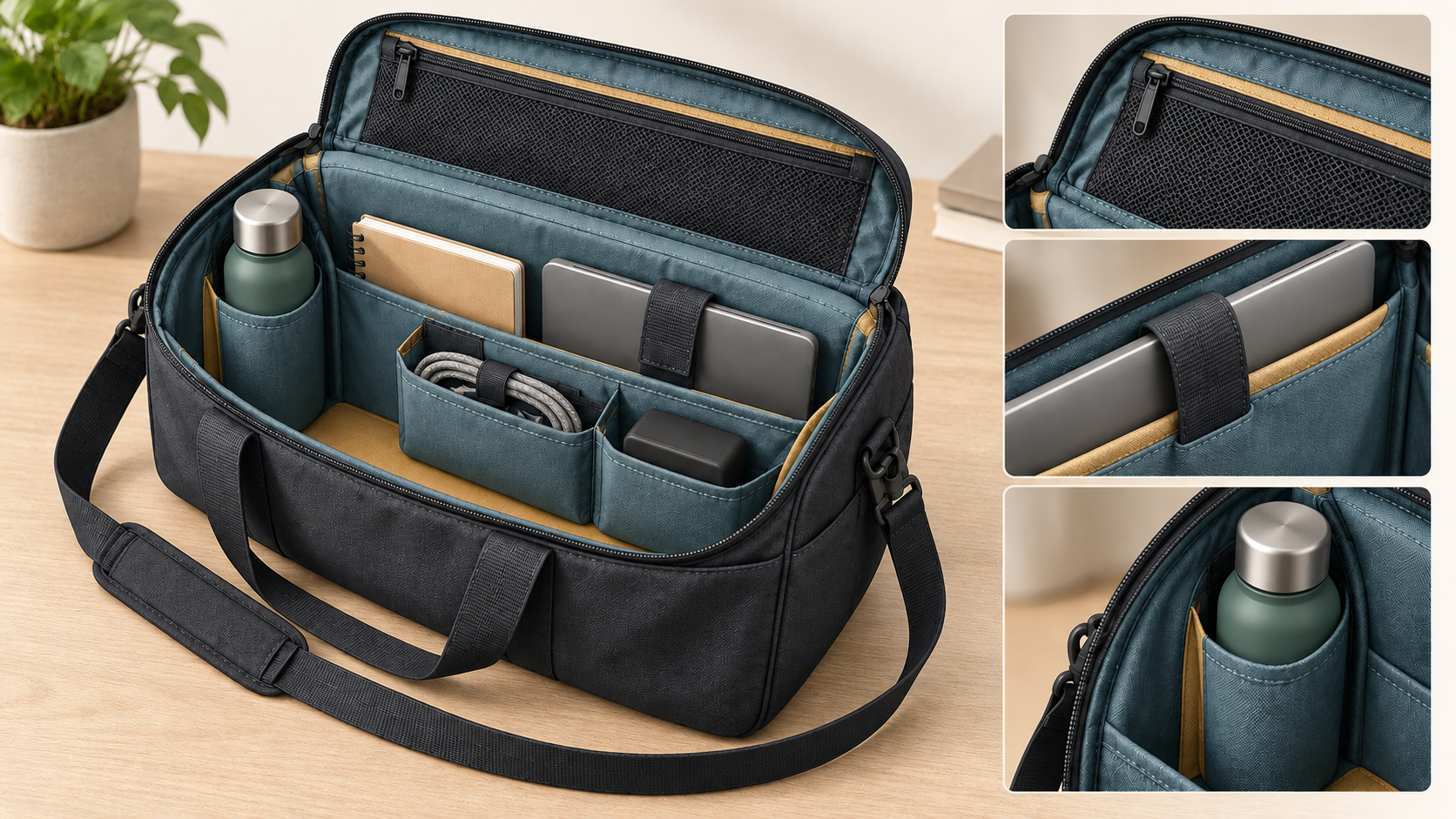
What Should a Buyer Compare in Bag Lining Materials?
Bag lining materials are easier to compare when the buyer first agrees on the questions the project must answer. The comparison is not a universal ranking. It is a way to identify what needs to be confirmed for one bag and one intended use.
| Decision brief field | What the buyer should define | What to check on the sample |
|---|---|---|
| Bag and contents | Bag type, normal contents, optional items, and items that need separation | The intended kit fits the planned interior layout |
| Use pattern | How the bag is carried, opened, repacked, and accessed | The opening and access sequence works with the real contents |
| Interior contact | Which items touch the lining and where contact points occur | Contact areas and any unwanted interference are recorded |
| Organization | Pockets, dividers, elastic, sleeves, or other retention needs | Organization supports access without blocking removal |
| Appearance | Interior colour, visual finish, and any logo or presentation requirement | The approved appearance is compared with the brief |
| Cleaning expectation | The project's expected care method or cleaning question | The requirement remains open unless it is confirmed for the selected material and project |
| Sample checkpoint | The points that must be reviewed before approval | Open issues and changes are recorded rather than assumed closed |
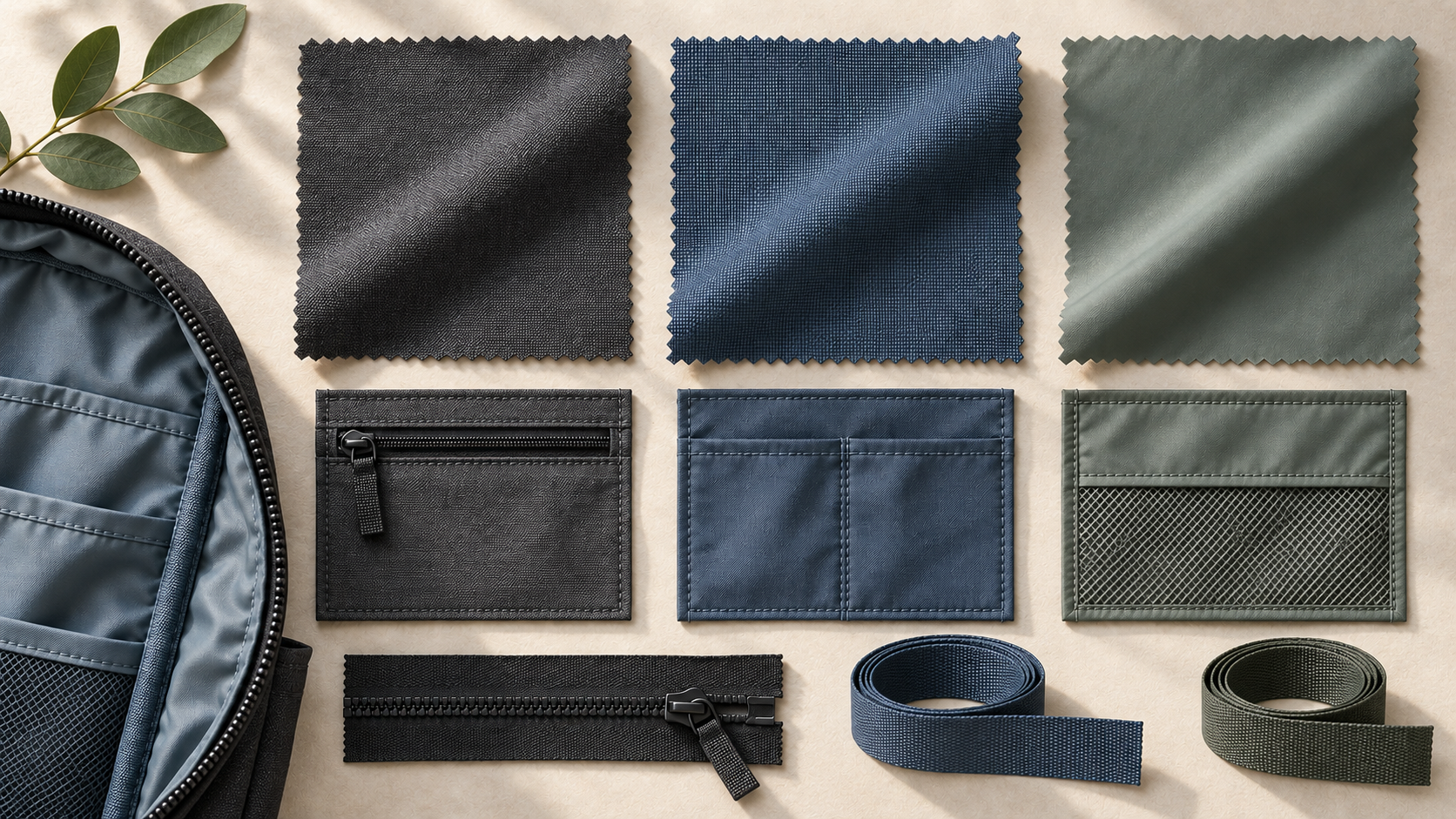
This brief also makes unknowns visible. For example, a buyer may know the preferred interior colour but still need to decide whether a pocket is required, how a cable or accessory is removed, or what care expectation applies.Those gaps should stay in the project record until they are resolved.
When Polyester Lining Fabric Is Proposed for a Bag
Polyester lining fabric for bags is one option a project team may discuss. Before accepting a proposal, ask what role the lining is meant to play in this particular bag and how it works with the rest of the interior.
Useful questions include whether the bag needs a simple full lining, separate pockets, dividers, a sleeve, or a combination of these. Confirm the desired appearance, the intended contact areas, and whether the proposed lining needs to work around hardware, closures, or interior structures. The sample should then be reviewed with the contents and layout the bag is actually expected to carry.
The material name alone does not settle those questions. A proposal may need to change when the bag's contents, opening sequence, or interior organization changes. Keep that decision tied to the approved project brief.
How to Handle Nylon or Water-Resistant Lining Requests
Requests for nylon lining or for a water-resistant interior should be written as project questions, not as automatic product claims. Ask what the request is intended to address: contact with certain contents, a cleaning routine, the way the bag is used, or another requirement that needs to be specified.
Then separate the request from the proof needed to close it. The buyer can ask for a proposed material and a sample review, but should not assume a fixed waterproof, cleaning, or durability outcome without project-specific evidence.This wording is especially useful when a commercial fabric term appears in an early sourcing conversation but the final requirement has not yet been defined.
Turn the Lining Choice Into a Clear Sample Requirement
Once the team has chosen a direction to evaluate, turn it into a short sample requirement. State the intended contents, interior layout, lining areas, visual expectations, organization features, and the questions that still need confirmation. Attach drawings, measurements, or photos when they are available and appropriate for the project.
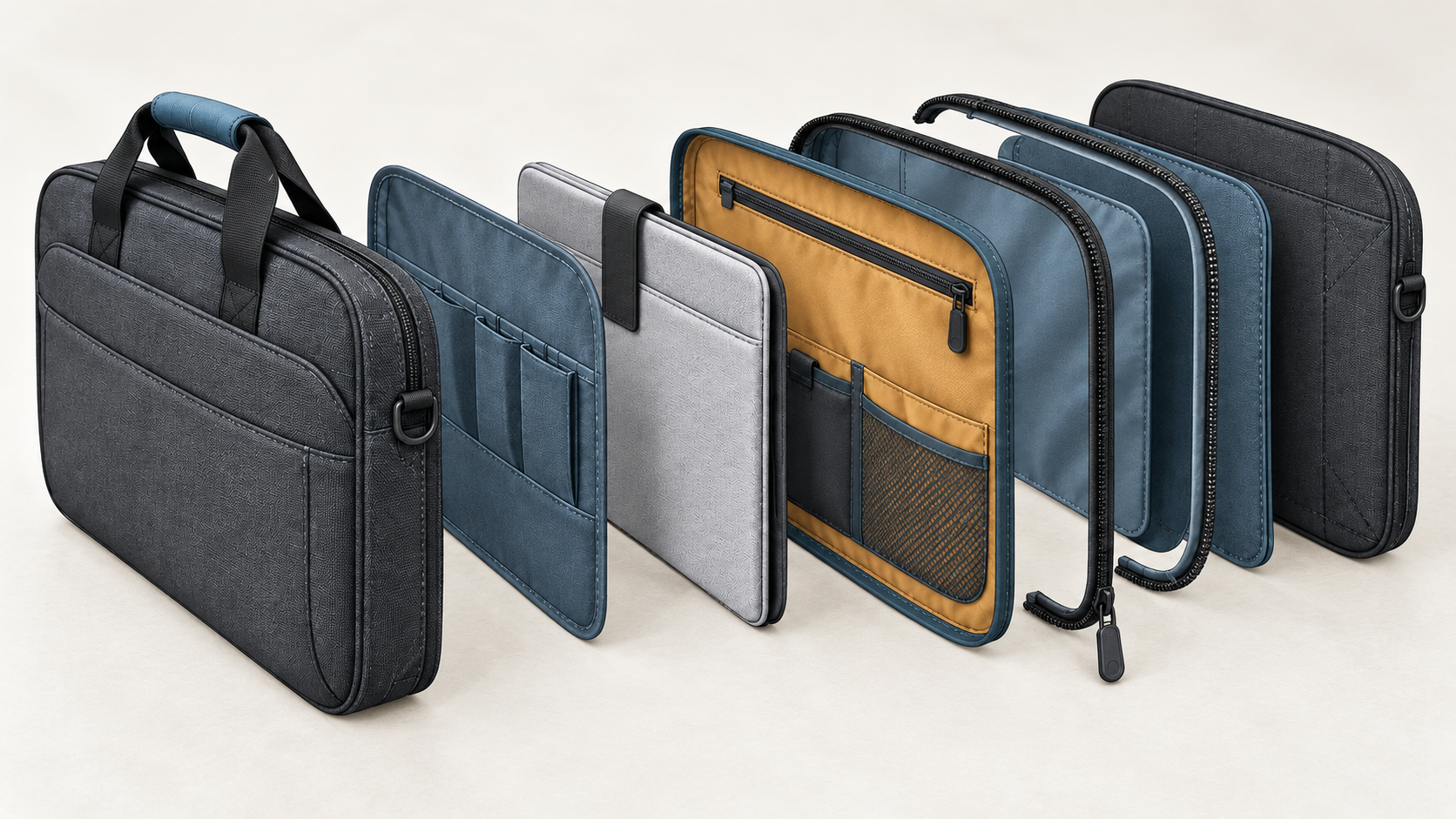
The requirement should say what will be checked on the first sample. A practical list might include the lining coverage, the relationship between the lining and internal pockets or dividers, access to the contents, interior appearance, and any unresolved material question. It should not turn an early sample into evidence of a performance result that has not been tested or separately verified.
This step helps prevent a common sourcing problem: a material is approved in isolation, then the interior layout changes and the original choice is no longer being reviewed in the same context. A short, shared brief lets the buyer, product team, and manufacturer compare the same requirements.
What to Review in the First Bag Sample
Review the lining as part of the assembled bag. Start with the intended contents in place, then open, close, pack, and remove items in the normal sequence. This reveals practical issues that may not be visible on an empty sample.
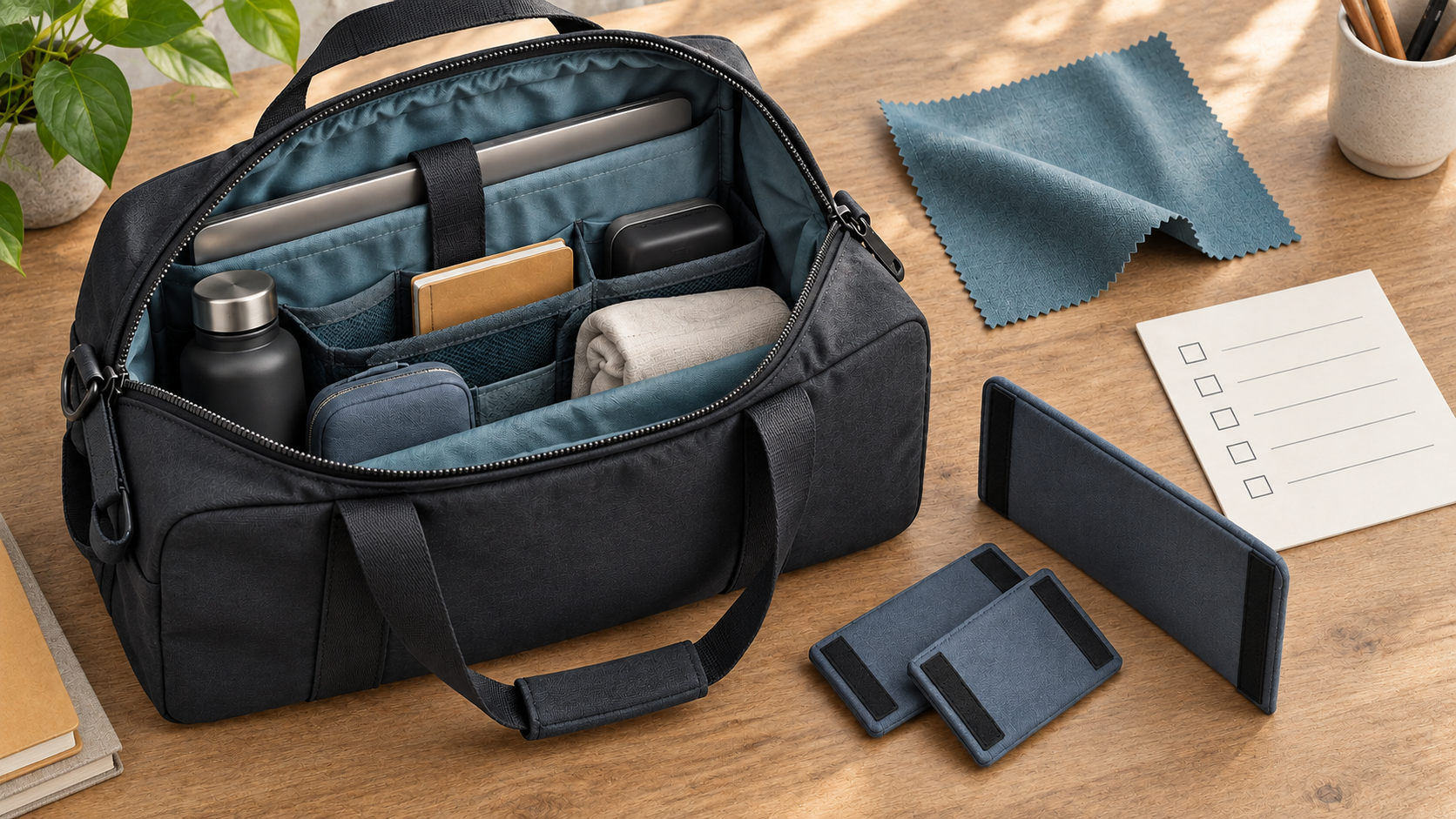
Check whether the lining reaches the areas described in the brief and whether pockets, dividers, or other interior features work with it as intended. Look at the contact points, the interior appearance, and the path used to remove each item. If the project includes optional contents, review the normal configuration and any agreed alternative configuration separately.
Record anything that is still unresolved. A fit or appearance review is useful project evidence, but it does not establish a general performance, test, certification, or compliance result. Keeping those categories separate makes the sample feedback easier to act on.
How Pengtour Can Support a Project-Specific Lining Decision
Pengtour can review lining requirements as part of a custom sewn-bag project. Depending on the project, the discussion may cover material selection, colour, logo, pockets, dividers, hardware, packaging, and sample requirements. The relevant choices should be evaluated against the bag's intended use and the information available for that project.
During sampling and quality review, the project team may compare materials, dimensions, appearance, internal structures, and packaging with approved project requirements. Exact lining selection and suitability still need to be confirmed for the individual bag and sample. For a broader custom-bag project discussion, see Pengtour Functional Bags.
FAQ About Bag Lining Materials
What are the best bag lining materials for a custom project?
The best choice depends on the bag's contents, use pattern, interior layout, appearance requirements, and the questions the sample must answer. Start by defining those inputs, then compare proposed options against the same brief. A material name by itself is not enough to approve the final choice.
Is polyester lining fabric suitable for bags?
It may be considered for a project, but suitability should be confirmed against the planned bag, contents, layout, appearance, and sample requirements. Review the proposed lining with the assembled bag rather than approving it as a separate swatch alone.
Should a buyer ask for waterproof lining fabric?
A buyer can raise a waterproof lining request when it relates to a defined project need. The request should explain the intended use and what needs to be verified. It should not be treated as proof that a selected material delivers a fixed outcome without project-specific evidence.
What should be confirmed before a bag lining sample is approved?
Confirm the intended contents, lining coverage, interior contact areas, pocket or divider function, access sequence, appearance, and all unresolved requirements. Record what was reviewed and what still needs verification before the project moves forward.
If you are preparing a custom functional-bag brief, bring the intended contents, interior layout, and sample questions into the discussion. That gives the project team a clearer starting point than a fabric name alone.